
Supplier · Jul 29, 2026
EU Battery Rule Toy Exemption 2026: Sourcing Guide
Understand the EU battery regulation exemption for toys in 2026. Learn how to source compliant electronic toys from China without costly redesigns.
In short: Understand the EU battery regulation exemption for toys in 2026. Learn how to source compliant electronic toys from China without costly redesigns.
If your product is a general consumer electronic device, design it with a user-replaceable battery. If it is a dedicated children's toy or smartwatch, the EU Battery Regulation (2023/1542) carves out a permanent exemption for you. This page is for exporters and B2B buyers sourcing electronic educational toys from China who need to navigate the new rule without triggering costly, unnecessary redesigns. The regulation mandates replaceable batteries for most portable electronics by 2027, but grants a specific, hard-won exemption for toys and smartwatches. That exemption means OEM partners in Chenghai and Shantou can continue producing sealed, durable designs that prioritize child safety and water resistance while still passing EN71 and CE compliance. You avoid the cost and complexity of engineering a user-replaceable battery door on a toy meant for a three-year-old. We'll cover the precise scope of the rule, what the exemption changes for your bill of materials, how to verify compliance with factory documentation, and why your existing supply chain in Guangdong may already be aligned with the new requirements.
Sourcing Verdicts for the EU Battery Exemption
- Actionable decisions for importers of electronic toys, based on the 2026 regulatory landscape.
- Who the exemption truly helps: Buyers of dedicated children's electronics (flash card readers, sensory sound toys, smartwatches for kids). You are not forced into a user-replaceable battery architecture.
- Key compliance document to request: A supplier's Declaration of Conformity (DoC) that explicitly cites the toy exemption under Regulation 2023/1542 alongside the EN71 test report.
- Chenghai/Shantou supply chain advantage: Existing tooling for ABS-sealed battery compartments with a 3.7V lithium cell is standard. No retooling needed for compliant goods, preserving cost advantage.
- Risk if exemption is misapplied: A product marketed as a "gadget" or "desk accessory" loses the toy exemption. Classification determines liability; importers must define the product's intended use clearly on packaging.
What Exactly Does the EU Battery Rule Exemption for Toys Cover?
The EU Battery Regulation (2023/1542) requires that portable batteries in most electronic products be readily removable and replaceable by the end-user. The hard deadline for new products entering the market is 2027. However, Article 11 of the regulation carves out products specifically designed to operate in an environment regularly exposed to water, and—critically—it grants a permanent exemption for toys and smartwatches. The justification from EU lawmakers was blunt: a removable battery in a children's toy introduces a safety risk (ingestion, chemical leakage from improper handling) that outweighs the environmental benefit of user-replaceability. In practice, this means a toy that uses a 3.7V lithium-polymer battery sealed inside an ABS housing with safety screws is perfectly compliant, as long as the battery itself meets longevity and hazardous substance restrictions. The exemption is not a loophole; it is a written policy choice acknowledging that EN71 child-safety standards are incompatible with consumer-replaceable battery designs. For an importer, the immediate impact is on your Bill of Materials: you do not need to redesign the enclosure, add a tool-free battery door, or include a spare battery kit in the packaging.
Toy Categories and the Battery Exemption: What Changes
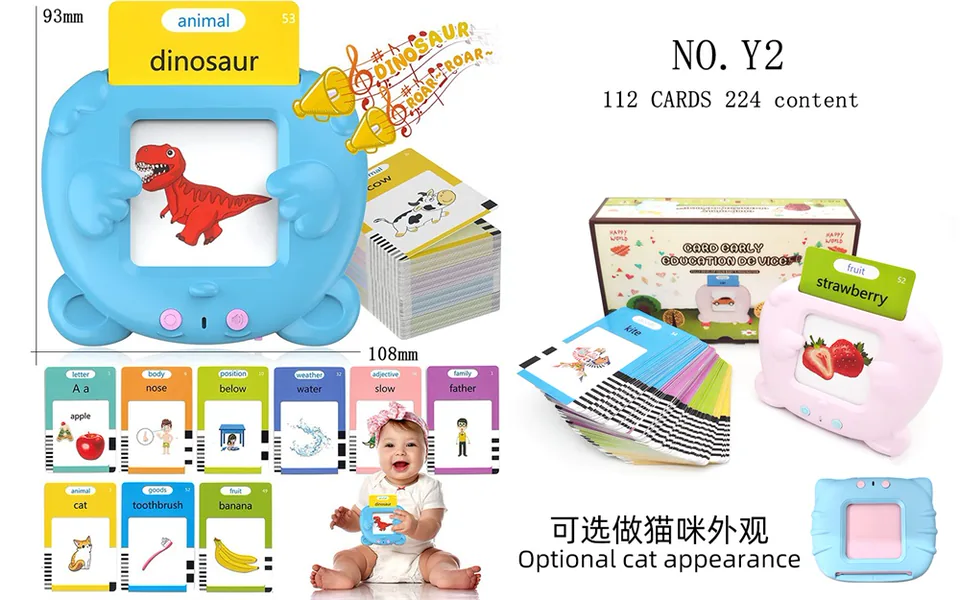
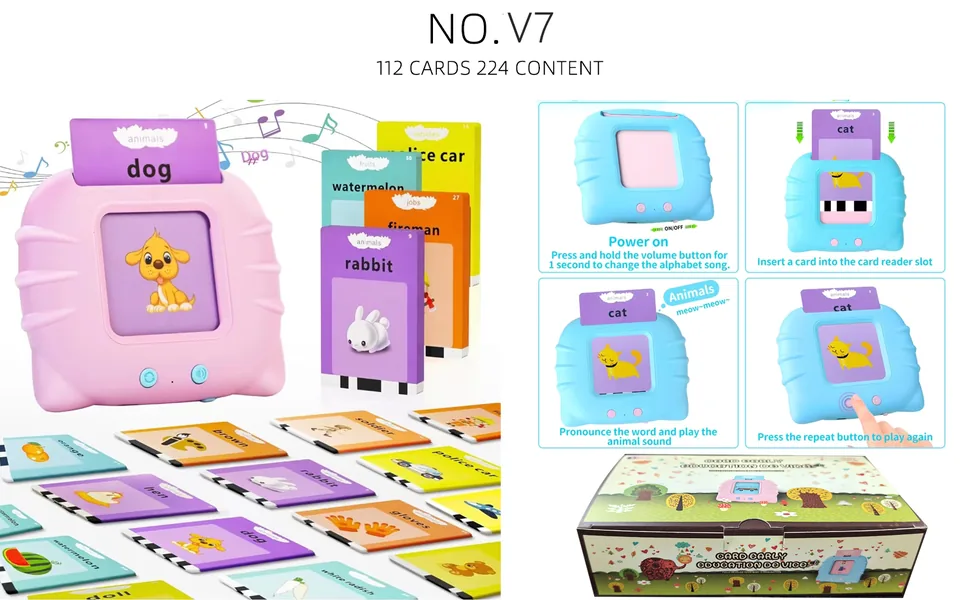
| Educational Flash Cards / Reading Machines | Specialty: Plastic electronics. MOQ: 60-120 units. Origin: Shantou/Chenghai. OEM/ODM: Yes. Certifications: EN71, CE, RoHS. Impact: Sealed 3.7V battery remains standard; no design change needed. |
|---|---|
| Sensory Sound Toys / Fidget Devices | Specialty: Plastic with small electronics. MOQ: varies by spec. Origin: Chenghai. OEM/ODM: Yes. Certifications: EN71, CE. Impact: Exemption applies; water-resistant sealed designs permissible. |
| Children's Smartwatches | Specialty: Wearable electronics. MOQ: varies by spec. Origin: Shenzhen/Shantou. OEM/ODM: Yes. Certifications: CE, RoHS, EN71. Impact: Full exemption; no user-replaceable battery required. |
| STEM/RC Toys (Non-Amphibious) | Specialty: Plastic/electronic. MOQ: varies by spec. Origin: Chenghai. OEM/ODM: Yes. Certifications: EN71, CE. Impact: Exemption valid unless marketed as general electronics; keep child-focused packaging. |
How Should an Importer Verify a Chinese Factory's Compliance with This Rule?
Request a technical file from the factory that bundles the EN71 test report, the battery's UN38.3 transport safety report, and a Declaration of Conformity. The DoC must list Directive 2009/48/EC (Toy Safety Directive) and note the specific exemption from Article 11 of Regulation 2023/1542. If the supplier cannot produce a DoC that names the exemption, treat the product as if it needs a removable battery, because that is how a customs authority will treat it at Rotterdam or Hamburg. Second, request a sample with an exploded diagram of the battery enclosure. A compliant toy design will use triangular safety screws or a snap-fit enclosure that requires a tool to open—this is a physical demonstration of the exemption's intent to keep batteries away from children. Third, scrutinize the product's outer packaging. The labeling must unambiguously define the item as a "toy" or "children's learning device." Any ambiguity ("electronic organizer," "mini gadget") invites a customs challenge. Factories in Chenghai are now producing standard compliance packs that bundle these three documents for every electronic SKU, making it straightforward for an importer to file pre-shipment documentation without engineering back-and-forth.
Why Chenghai and Shantou Factories Are Uniquely Positioned for This Exemption
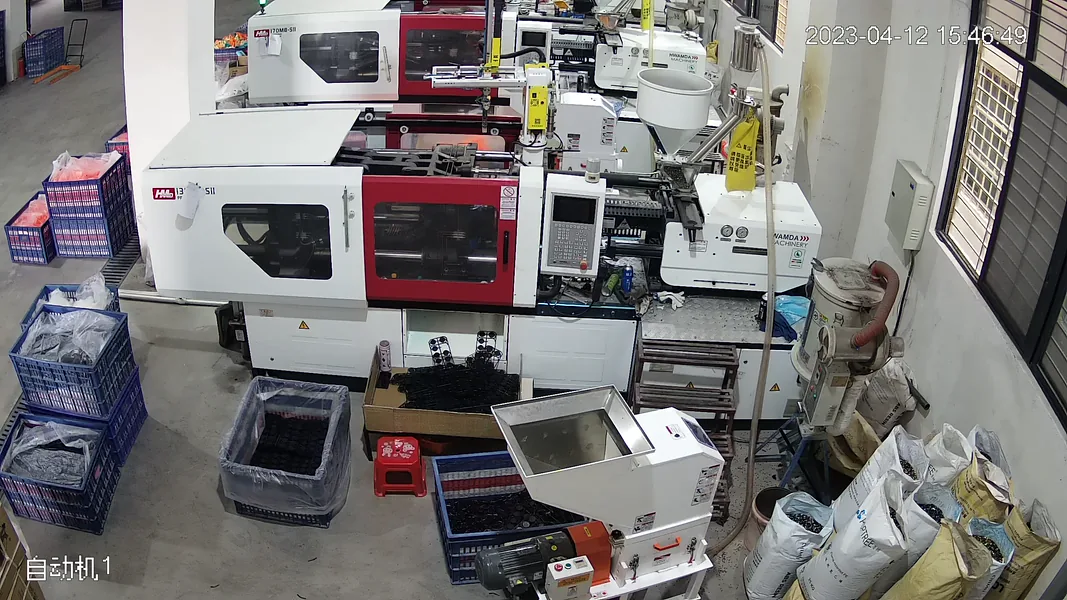
The Chenghai district in Shantou, Guangdong, is the global capital of plastic and electronic toy manufacturing. The ecosystem here is built on a shared supply chain of ABS mold-makers, low-voltage battery assemblers, and in-house testing labs that have been certifying to EN71 for over two decades. When the EU introduced the replaceable battery mandate, the local industry's initial fear was a forced migration to bulky, user-accessible battery compartments that would shatter the slim form factors of flashcard readers and sensory toys. The exemption means those tooling investments are protected. A typical educational toy from this region—such as a 112-card flashcard reader with a built-in 3.7V cell—now ships to the EU under the same physical design as it does to the US. The only delta is the paperwork. This is a stark contrast to Yiwu, where the market skews toward low-cost, non-electronic novelties and general merchandise. If your product contains a battery and you require EN71 compliance, a Shantou-based OEM with an in-house IEC 62115 testing protocol will offer a faster, lower-risk path than a trading company stitching together documentation from disparate small workshops.
What Should Importers Check Before Sourcing Electronic Learning Toys from China in 2026?
First, confirm the battery chemistry. The exemption does not protect you from a battery that itself fails the regulation's hazardous substance limits. Insist on a lithium-polymer cell with a certified mercury content below 0.0005% and cadmium below 0.002%. Second, audit the factory's age-grading documentation. The toy exemption hinges on the product being "intended for use in play by children under 14 years of age." If your supplier cannot show an age-grading rationale (typically a 3+ or 6+ grading backed by a small-parts cylinder test), the product is not legally a toy in the EU sense. Third, negotiate a fixed compliance clause in your purchase contract. The clause should state that the supplier provides a valid DoC citing Regulation 2023/1542 Article 11 exemption for each shipment, and that any customs rejection due to non-compliance triggers a full refund of the FOB value. This is standard practice among established educational toy OEMs in Chenghai. Four, look at the product's charging port. Many sealed-toy designs now use a magnetic charging cable or a recessed micro-USB port behind a rubber gasket, which reinforces the safety argument that the battery is not meant to be user-accessed. Request a sample and physically test how difficult it is to remove the battery. If you can pop it out with a fingernail, the design fails the spirit of the exemption and may fail a market surveillance check.
Frequently Asked Questions About the EU Toy Battery Exemption
Does the EU battery exemption for toys mean I don't need any battery documentation?
No. The exemption removes the requirement for a user-replaceable battery but does not waive the need for a UN38.3 transport test, a safety data sheet for the cell, and a Declaration of Conformity that explicitly cites the toy exemption under Article 11 of Regulation 2023/1542.
Can I still sell a toy with a replaceable battery in the EU?
Yes. The exemption permits sealed designs but does not ban replaceable ones. If your product already has a tool-free battery door that meets EN71 safety standards, it is compliant under both the Toy Safety Directive and the Battery Regulation. The exemption simply gives you more design flexibility.
How do I prove to customs that my electronic toy is exempt from the replaceable battery rule?
Present a technical file containing the EN71 test report, a DoC listing the Toy Safety Directive 2009/48/EC, a statement referencing the exemption in Article 11 of Regulation 2023/1542, and a photo of the sealed battery enclosure. The packaging must clearly label the product as a children's toy, not a general electronic device.
What happens if my product is classified as a gadget instead of a toy?
You lose the exemption. The product must then have a user-replaceable battery by 2027. Customs authorities at EU borders classify based on packaging, marketing claims, and intended use. If the item is sold in a toy aisle with age grading, it is a toy; if it is sold as a desktop novelty with no age label, it is likely not.
Are flash card readers and educational machines considered toys under this regulation?
Yes, if they are marketed and age-graded for children under 14. A flash card reader with a 3+ age grade, tested to EN71 and designed with a sealed battery compartment accessible only by a tool, meets the definition of a toy and qualifies for the battery exemption. This compliance package is now standard for educational electronics shipped from Chenghai.
Related Products & Categories
Source Compliant Educational Electronics from a Factory That Knows the Rules
The exemption is a powerful cost-saving tool, but it only works when your OEM partner understands the documentary burden. If you need a supplier who delivers electronic educational toys with a complete EU compliance pack—EN71, DoC citing Article 11, and UN38.3—request a quote and sample from our Chenghai team today.
Source this range with Kidumio
Kidumio is the wholesale brand of CPS Toys Trading Co., Ltd. in Chenghai, Shantou. Send your product list, target market, quantity and packaging needs for FOB / EXW pricing, samples, certificates and OEM/ODM options.
Ready to source fidget and stress toys?
Browse the wholesale catalog or send an inquiry with your target category and quantity.
View all products Request a Quote