Buyer's guide for sourcing wholesale STEM toys for after-school programs. Learn what types work in groups, typical MOQs, and how to evaluate Chenghai factories.
In short: Buyer's guide for sourcing wholesale STEM toys for after-school programs. Learn what types work in groups, typical MOQs, and how to evaluate Chenghai factories.
If you run an after-school program and need STEM toys for group settings, you need products built for sharing, durability, and repeat play — and a sourcing partner who understands institutional compliance. This article walks you through what to buy, where to source it in China, and how to vet a factory so you don't waste time or money.
Where Is the Chenghai Toy Market?
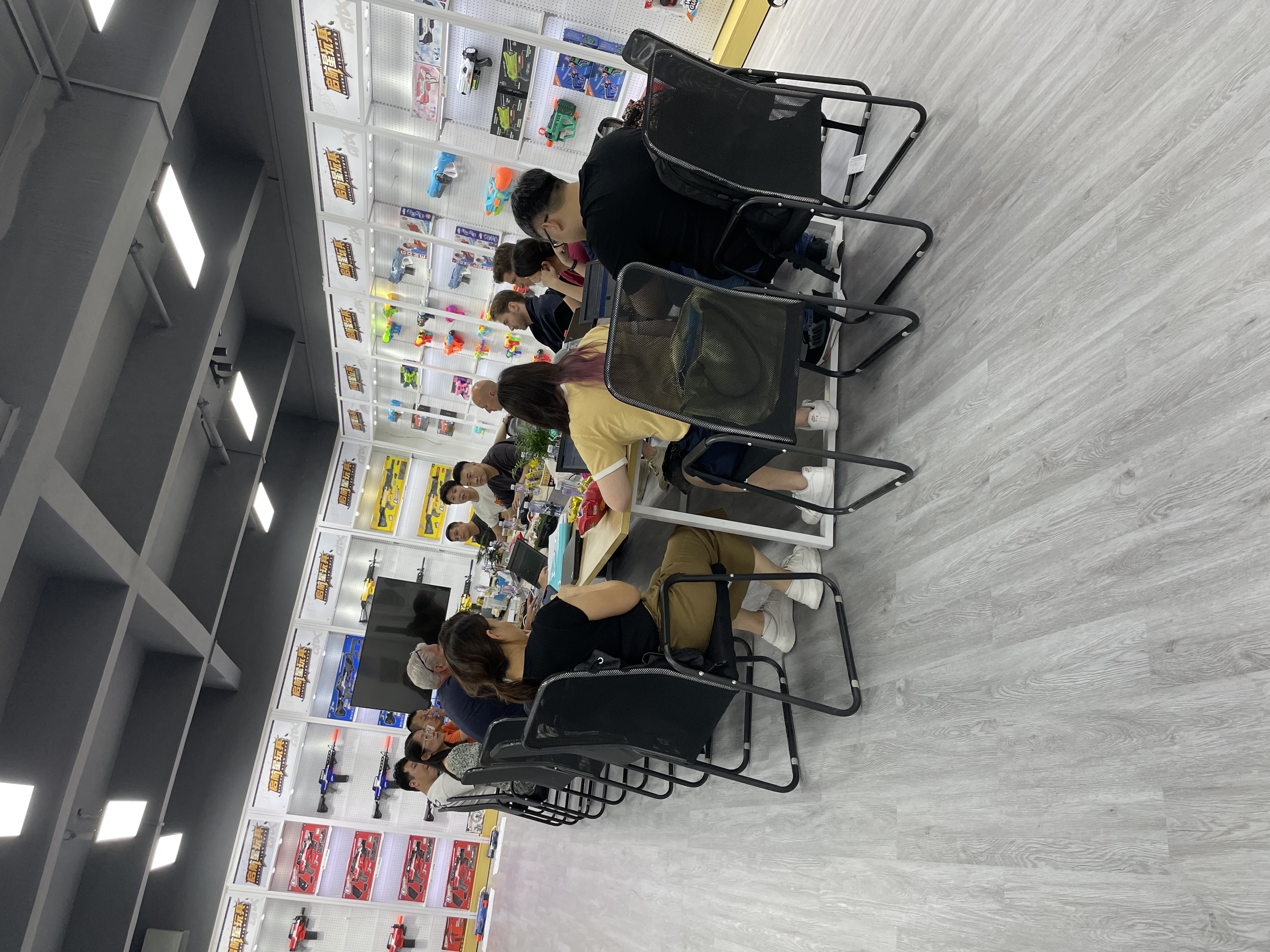
Chenghai sits in northeastern Guangdong Province, about a 40-minute drive from Shantou city center. It is the undisputed toy capital of China — over 10,000 toy manufacturers and trading companies operate within a 20-kilometer radius. If you fly into Shantou Waisha Airport (SWA), you are essentially landing on the doorstep of the world's largest toy production cluster. The entire ecosystem — mold makers, injection molding shops, packaging printers, testing labs — is within a 30-minute drive. This density is the single biggest advantage for a buyer: you can visit five factories in one day, compare quality and pricing side by side, and walk out with a clear sourcing plan. For after-school program toys, this means you can source multiple product types (building components, gear assemblies, logic challenge cards, simple experiment kits) from different specialists in the same trip, which saves logistics and communication overhead.
What Toys Can You Source There?
The range is enormous, but for after-school programs the relevant categories are: building components (blocks, connectors, gear assemblies), path planning puzzles (maze boards, coding tiles), logic challenge cards (pattern matching, sequencing), simple experiment toys (circuit kits, magnetism sets), and classroom reward items (small STEM trinkets). Each has its own production line and MOQ profile. Building components are typically injection-molded ABS or PP, with molds costing $2,000–$8,000. Logic challenge cards are printed on coated paper or cardboard, with lower tooling but higher per-unit cost for small runs. Experiment toys often combine plastic housings with electronic components (LEDs, switches, wires), which require additional compliance testing. A good factory will help you mix items into one container to meet MOQ thresholds.
MOQ: 3,000–10,000 pcs per design. Low unit cost. OEM/ODM: limited (mostly stock designs). Certifications: varies by spec.
How to Import From Chenghai (Step-by-Step)
Step one: identify your product mix. For after-school programs, a typical order combines 3–5 SKUs to fill a 20-foot container (about 28 cubic meters). Step two: request factory audits. Never buy sight unseen from a new supplier — ask for a video tour or, better, hire a third-party inspection company (e.g., QIMA, Bureau Veritas) to audit the factory for capacity, quality control, and social compliance. Step three: request samples of each SKU — at least 5 pieces per design for drop testing, function testing, and material review. Step four: confirm compliance documentation. For the U.S. market, you need a Children's Product Certificate (CPC) based on ASTM F963 testing; for the EU, EN71 and CE marking. Most Chenghai factories that export regularly will have these documents ready or can arrange testing in 2–3 weeks. Step five: negotiate payment terms. Typical for first orders is 30% deposit, 70% against copy of bill of lading. Step six: arrange shipping via Shenzhen or Shantou port. Lead time from order to FOB is usually 25–45 days depending on complexity.
Step 1: Define Product Mix
Choose 3–5 SKUs to fill a 20' container. Mix building components with card games to balance weight and volume.
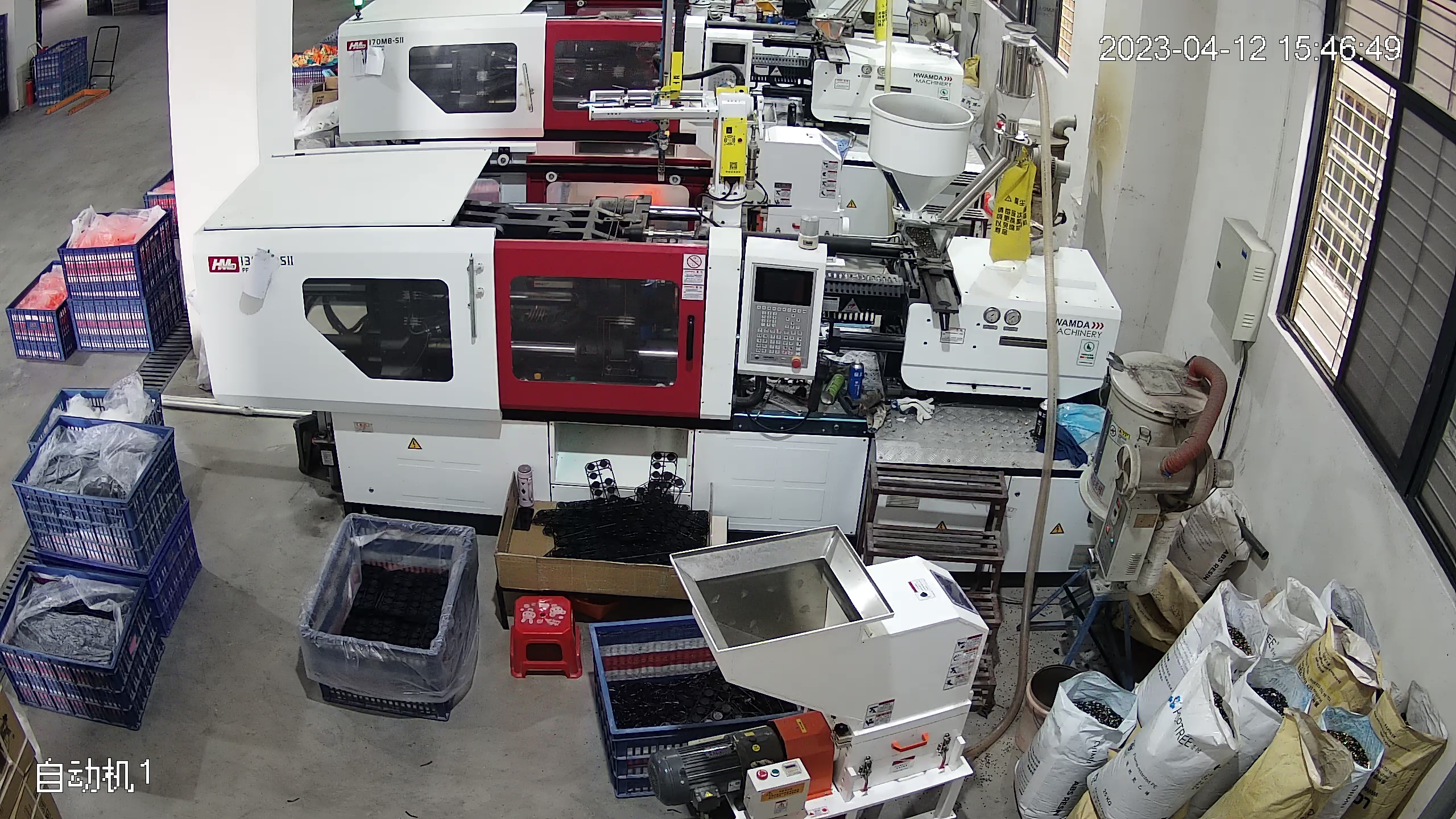
Step 2: Factory Audit
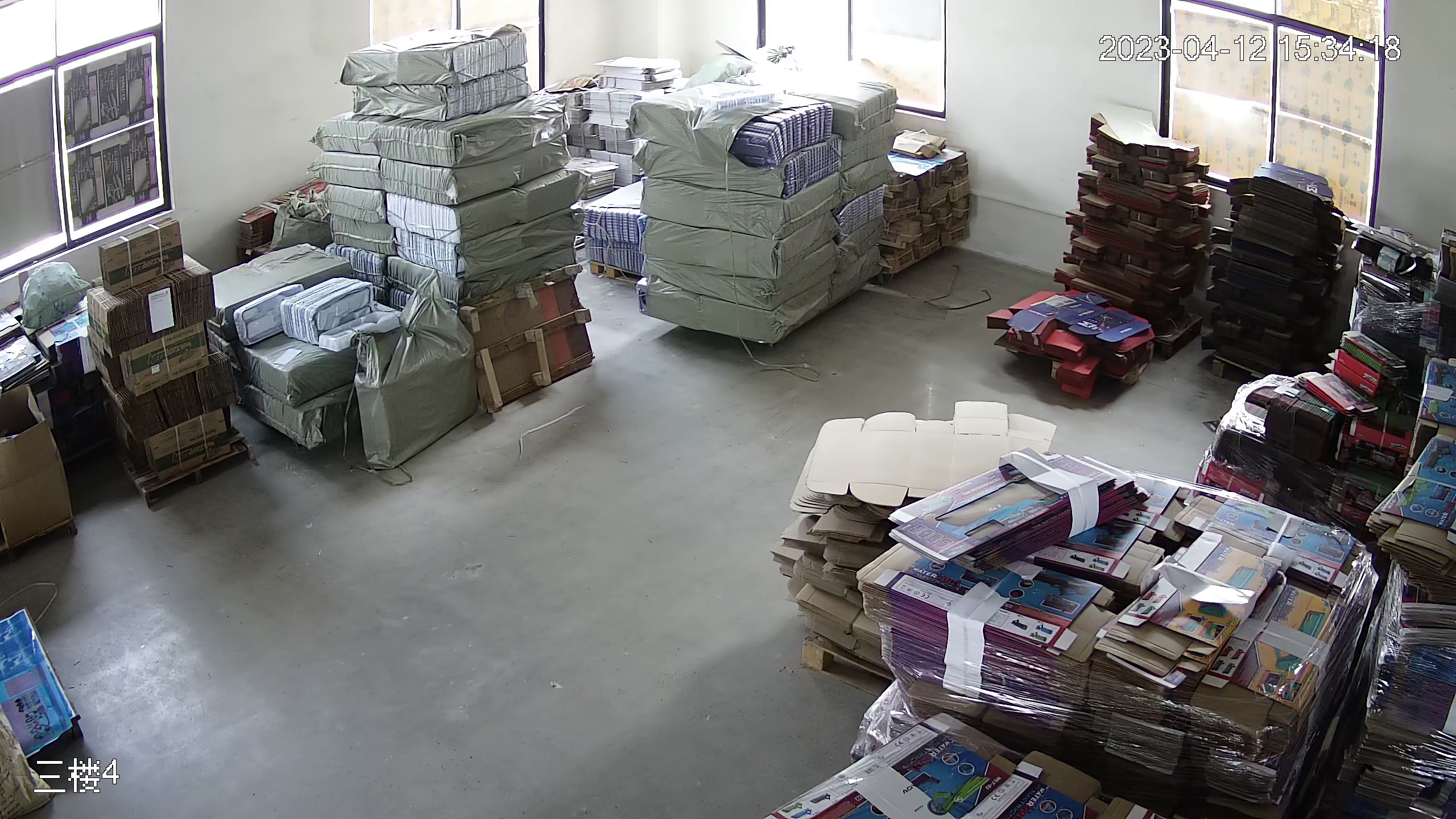
Hire third-party (QIMA, SGS, Bureau Veritas) or do a video walk-through. Check injection molding machines, QC process, and warehouse hygiene.
Step 3: Sample Request
Order 5–10 pcs per SKU. Test for durability, sharp edges, choke hazards. Run a small group play test if possible.
Step 4: Compliance Docs
Request CPC (ASTM F963) for US, EN71 for EU. Allow 2–3 weeks for lab testing if factory does not have existing reports.
Step 5: Payment Terms
30% deposit upfront, 70% against copy of B/L. For repeat orders, some factories offer net 30 after 3–4 shipments.
Step 6: Shipping
FOB from Shenzhen or Shantou. Lead time 25–45 days. Consolidate with other buyers to reduce freight cost for small containers.
FAQ
What MOQ can I expect for custom STEM toys for after-school programs?
For injection-molded building components, MOQ is typically 1,000–3,000 sets per SKU. For printed logic challenge cards, MOQ is 2,000–5,000 decks. Some factories offer trial mixed cartons with lower MOQ per design.
How do I verify a Chenghai toy factory is legitimate?
Ask for a video tour of the production floor, request a business license and export registration, and hire a third-party inspection company to audit the facility. Check for active trade records on platforms like Alibaba or Made-in-China.
What certifications do STEM toys need for the US market?
All children's products must meet ASTM F963 and CPSIA requirements. You'll need a Children's Product Certificate (CPC) based on lab testing from a CPSC-accredited lab. For electronics, also need RoHS compliance.
Can I mix different STEM toy types in one container to hit MOQ?
Yes. Many Chenghai factories allow consolidation of multiple SKUs in a single order. You can combine building components, logic cards, and experiment kits — just confirm the MOQ per SKU and total container volume.
How long does it take to produce and ship STEM toys from Chenghai?
Production typically takes 25–45 days from order confirmation to FOB at Shenzhen or Shantou port. Shipping to the US West Coast adds 15–20 days via ocean freight.
If you are sourcing STEM toys for after-school programs and want to work with a factory that understands institutional compliance and low MOQ requirements, contact us. We can help you define the right product mix, arrange sample testing, and support private-label packaging.
Source this range with Kidumio
Kidumio is the wholesale brand of CPS Toys Trading Co., Ltd. in Chenghai, Shantou. Send your product list, target market, quantity and packaging needs for FOB / EXW pricing, samples, certificates and OEM/ODM options.
Ready to source fidget and stress toys?
Browse the wholesale catalog or send an inquiry with your target category and quantity.
Related sourcing paths for Wholesale STEM Toys for After-School Programs: Sourcing Guide 2026
Turn this topic into a practical buying decision: compare the product category, MOQ, case pack, packaging, target market and certificate requirements before requesting an EXW quote from Kidumio.
Short answer: an after-school STEM assortment should match the group size, activity duration, storage plan, age range and facilitator instructions. Compare the number of learners served per set rather than only the unit price.
Ask for piece count, material, dimensions, instruction format, case pack, carton data, samples and packaging options. Include the destination market and required document list so the quote can be checked before the program launches.
After-school STEM toy RFQ checklist
Short answer: an after-school STEM assortment should match the group size, activity duration, storage plan, age range and facilitator instructions. Compare the number of learners served per set rather than only the unit price.
Ask for piece count, material, dimensions, instruction format, case pack, carton data, samples and packaging options. Include the destination market and required document list so the quote can be checked before the program launches.
After-school STEM buying questions
Define the group size, activity duration, facilitator support, storage method and age range before comparing STEM sets. Ask how many learners can participate at once, how pieces are counted, whether instructions can be shared, and what the case pack means for a program budget. Include packaging, carton data, sample timing and destination-market documents in the same RFQ.
A focused pilot lets staff record setup time, engagement with the intended activity and any missing parts before a repeat order. The result is a clearer replenishment brief for both the buyer and supplier.
After-school STEM toy RFQ checklist
Short answer: an after-school STEM assortment should match the group size, activity duration, storage plan, age range and facilitator instructions. Compare the number of learners served per set rather than only the unit price.
Ask for piece count, material, dimensions, instruction format, case pack, carton data, samples and packaging options. Include the destination market and required document list so the quote can be checked before the program launches.
After-school STEM toy RFQ checklist
Short answer: an after-school STEM assortment should match the group size, activity duration, storage plan, age range and facilitator instructions. Compare the number of learners served per set rather than only the unit price.
Ask for piece count, material, dimensions, instruction format, case pack, carton data, samples and packaging options. Include the destination market and required document list so the quote can be checked before the program launches.
After-school STEM toy RFQ checklist
Short answer: an after-school STEM assortment should match the group size, activity duration, storage plan, age range and facilitator instructions. Compare the number of learners served per set rather than only the unit price.
Ask for piece count, material, dimensions, instruction format, case pack, carton data, samples and packaging options. Include the destination market and required document list so the quote can be checked before the program launches.
After-school STEM toy RFQ checklist
Short answer: an after-school STEM assortment should match the group size, activity duration, storage plan, age range and facilitator instructions. Compare the number of learners served per set rather than only the unit price.
Ask for piece count, material, dimensions, instruction format, case pack, carton data, samples and packaging options. Include the destination market and required document list so the quote can be checked before the program launches.
After-school STEM toy RFQ checklist
Short answer: an after-school STEM assortment should match the group size, activity duration, storage plan, age range and facilitator instructions. Compare the number of learners served per set rather than only the unit price.
Ask for piece count, material, dimensions, instruction format, case pack, carton data, samples and packaging options. Include the destination market and required document list so the quote can be checked before the program launches.
After-school STEM toy RFQ checklist
Short answer: an after-school STEM assortment should match the group size, activity duration, storage plan, age range and facilitator instructions. Compare the number of learners served per set rather than only the unit price.
Ask for piece count, material, dimensions, instruction format, case pack, carton data, samples and packaging options. Include the destination market and required document list so the quote can be checked before the program launches.
After-school STEM toy RFQ checklist
Short answer: an after-school STEM assortment should match the group size, activity duration, storage plan, age range and facilitator instructions. Compare the number of learners served per set rather than only the unit price.
Ask for piece count, material, dimensions, instruction format, case pack, carton data, samples and packaging options. Include the destination market and required document list so the quote can be checked before the program launches.
After-school STEM toy RFQ checklist
Short answer: an after-school STEM assortment should match the group size, activity duration, storage plan, age range and facilitator instructions. Compare the number of learners served per set rather than only the unit price.
Ask for piece count, material, dimensions, instruction format, case pack, carton data, samples and packaging options. Include the destination market and required document list so the quote can be checked before the program launches.
After-school STEM toy RFQ checklist
Short answer: an after-school STEM assortment should match the group size, activity duration, storage plan, age range and facilitator instructions. Compare the number of learners served per set rather than only the unit price.
Ask for piece count, material, dimensions, instruction format, case pack, carton data, samples and packaging options. Include the destination market and required document list so the quote can be checked before the program launches.
After-school STEM toy RFQ checklist
Short answer: an after-school STEM assortment should match the group size, activity duration, storage plan, age range and facilitator instructions. Compare the number of learners served per set rather than only the unit price.
Ask for piece count, material, dimensions, instruction format, case pack, carton data, samples and packaging options. Include the destination market and required document list so the quote can be checked before the program launches.
After-school STEM toy RFQ checklist
Short answer: an after-school STEM assortment should match the group size, activity duration, storage plan, age range and facilitator instructions. Compare the number of learners served per set rather than only the unit price.
Ask for piece count, material, dimensions, instruction format, case pack, carton data, samples and packaging options. Include the destination market and required document list so the quote can be checked before the program launches.
After-school STEM toy RFQ checklist
Short answer: an after-school STEM assortment should match the group size, activity duration, storage plan, age range and facilitator instructions. Compare the number of learners served per set rather than only the unit price.
Ask for piece count, material, dimensions, instruction format, case pack, carton data, samples and packaging options. Include the destination market and required document list so the quote can be checked before the program launches.