How Toy Factory Process Signals Help Buyers Vet Suppliers in 2026
How specialized B2B toy marketplaces opening factory-direct prices changed supplier vetting. Learn to inspect QC flow, packaging, lead time, and OEM readiness from process signals.
Specialized B2B toy marketplaces now let importers vet Chinese manufacturers by reading the process signals embedded in how a factory presents its operation — its QC checkpoints, packaging workflow, lead-time logic, and OEM document readiness. Use those signals to exclude high-risk suppliers before you ever request a sample. This page teaches you exactly which process signals matter, where to look for them inside Chenghai and Shantou, and how to build a shortlist of factories that actually ship what they promise.
Where Is the Chenghai Toy Market?
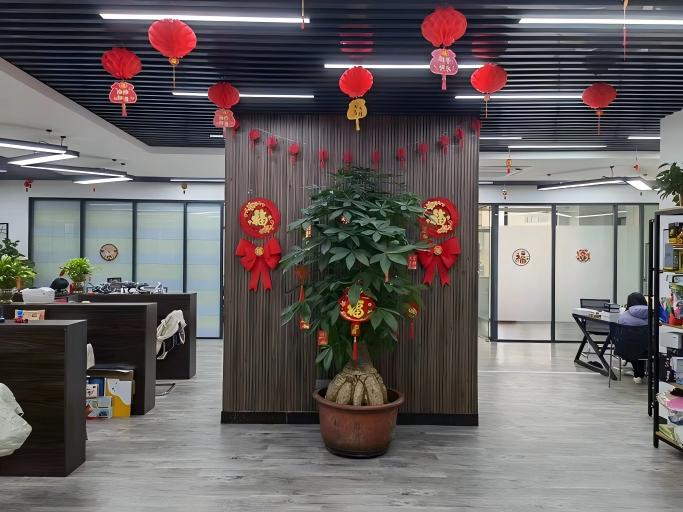
Chenghai sits in the northeast corner of Shantou, Guangdong — about an hour’s drive from Jieyang Chaoshan Airport (SWA) and roughly 40 km from the Shantou container port that feeds Shenzhen and Hong Kong consolidation hubs. The district isn’t a single market hall; it’s a dense industrial cluster of 12,000-plus registered toy enterprises spread across factory compounds, component villages, and packaging workshops, anchored by the Chenghai Toys and Gifts City exhibition complex on the main road into town.
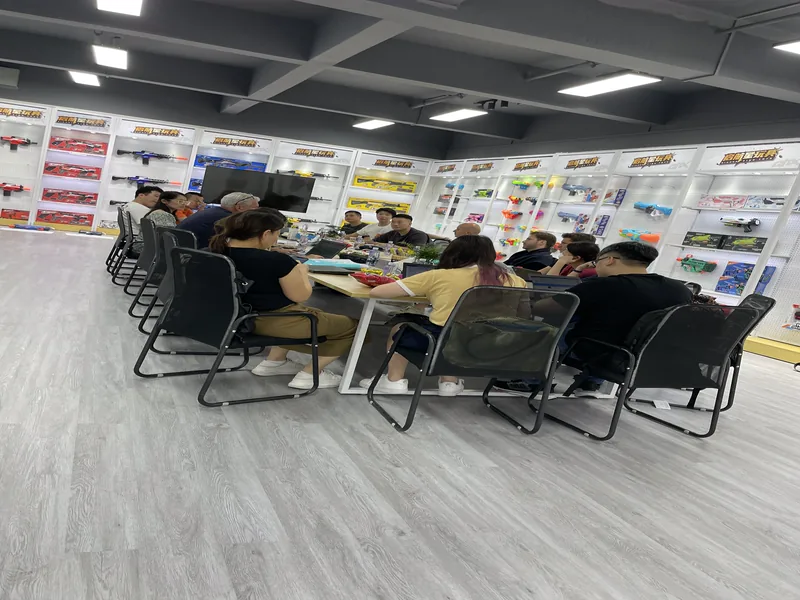
Most first-time buyers land in Shantou, take a Didi or factory-arranged car, and spend two to three days walking production lines, mold workshops, and sample rooms. The geography matters because proximity to mold-makers, printing shops, and electronic-component suppliers compresses sampling lead times in a way Yiwu trading companies cannot replicate. When a factory tells you it can revise a plastic injection mold in three days, it’s often because the mold shop is 15 minutes away — that’s a legitimate process signal worth verifying in person.
What Toys Can You Source There?
Chenghai’s output spans nearly every toy category, but four segments dominate export volumes: remote-control vehicles and drones, plastic building blocks and construction sets, electronic learning toys, and squishy/fidget products. The cluster also feeds adjacent categories — baby strollers, outdoor play equipment, and seasonal novelties — often under the same factory roof. What distinguishes Chenghai from Yiwu is vertical integration: many factories own their injection-molding floors, pad-printing lines, and assembly workshops, which gives buyers leverage on unit cost, color matching, and packaging customization.
Educational and STEM-adjacent products — magnetic tiles, logic puzzles, fine-motor-skill kits — have grown sharply since 2023, driven by North American school-supply tenders and institutional demand. That growth is visible in factory audit trails: you’ll see dedicated testing stations for EN71 torque and tension on puzzle pieces, and separate clean-packaging zones for classroom assortments, exactly the kind of QC signal a bulk buyer should look for. Below is a category-level snapshot of what you can source and the typical MOQ posture in the region.
Category & MOQ Overview
| Manufacturer Type / Specialty | RC Vehicles & Drones |
|---|---|
| Representative Products | Stunt cars, quadcopters, remote-control boats |
| Typical MOQ | 500 – 1,000 pcs; higher for licensed designs |
| Origin Advantage | Integrated PCB assembly and injection molding under one roof |
| Manufacturer Type / Specialty | Building Blocks & Construction Sets |
| Representative Products | Compatible bricks, magnetic tiles, marble runs |
| Typical MOQ | 1,000 – 3,000 pcs; lower for stock colorways |
| Origin Advantage | Precision mold-making cluster; tight clutch-power consistency |
| Manufacturer Type / Specialty | Electronic Learning Toys |
| Representative Products | Talking flashcards, STEM kits, logic puzzles |
| Typical MOQ | 1,000 – 2,000 pcs; depends on chipset sourcing |
| Origin Advantage | Dedicated EN71 torque/tension testing stations; clean-packaging zones |
| Manufacturer Type / Specialty | Fidget & Squishy (Bulk) |
| Representative Products | Pop-its, squishy animals, stress balls, putty |
| Typical MOQ | 500 – 2,000 pcs; lower for stock designs |
| Origin Advantage | Silicone and TPR material access; rapid color-matching for private-label |
How to Import From Chenghai (Step-by-Step)
Importing from Chenghai follows a logic that hasn’t changed structurally in years, but factory-direct marketplaces now expose process signals earlier. Here is the sequence experienced buyers follow in 2026.
Step 1 — Qualify the factory, not just the product. Request a video walk-through of the production line, not a curated photo gallery. Look for real-time QC stations: a torque tester on a screw assembly bench, a drop-test jig, a metal-detector pass for plush. If the factory cannot show you those stations running, treat it as a red flag.
Step 2 — Lock the specification sheet before sampling. A decent factory will send a one-page spec that includes material grade (e.g., ABS new material vs. recycled), age grading rationale, packaging dimensions, carton quantity, and the exact certification standards they commit to (EN71 parts 1-2-3, ASTM F963, CPSIA, CPC readiness). Vague replies mean the factory is probably trading, not manufacturing.
Step 3 — Order a gold sample and a production sample from the same line that will run your order. The gold sample sets the standard; the production sample, pulled randomly after the first 200 units, tells you whether the line can hold that standard at speed.
Step 4 — Agree on an inspection protocol before production starts. Most buyers use AQL 2.5 Level II for major defects and AQL 4.0 for minor defects, with a third-party inspection (SGS, Bureau Veritas, or a local firm) at the factory gate before container loading.
Step 5 — Finalize packaging and shipping marks. Chenghai factories routinely handle FOB Shantou or FOB Shenzhen. If you need retail-ready packaging (color box, blister card, display tray), confirm the dieline and barcode placement in the pre-production sample stage — correcting it after bulk packing is expensive and delays container consolidation.
Step 6 — Coordinate document bundle. A factory that is genuinely export-ready will hand you a folder containing the commercial invoice, packing list, bill of lading draft, certificate of origin (Form A or CO, depending on destination), and all relevant test reports — not drip-feed them after the vessel sails. This document-readiness signal alone eliminates half the suppliers in any initial longlist.
Process Signals That Reveal a Factory’s True Capability
The 2026 shift toward factory-direct B2B toy marketplaces means buyers can now inspect process signals without physically walking the floor — provided they know which signals correlate with reliable delivery. Here are the six highest-signal indicators experienced sourcing teams track.
QC flow visibility. A factory that shows you its in-line inspection stations (pre-assembly, post-printing, final function test) and can name the AQL levels it uses for each station is almost always better than one that only mentions a "final QC check." Real QC is layered; a single end-of-line check is cosmetic, not functional.
Mold ownership and maintenance log. Ask to see the mold storage area and a sample maintenance record. Factories that date-stamp molds, track shot counts, and schedule preventive polishing produce consistent part dimensions across repeat orders. If the factory hesitates or says the molds are "at a partner," you’re likely dealing with a trading layer.
Packaging workflow segmentation. Look for a physically separated packaging zone — ideally with humidity control for paper-based packaging and a clean bench for items destined for classroom or therapy use. This matters enormously for educational and sensory products, where packaging contamination (dust, loose fibers) is a top-three reason for buyer returns.
Lead-time logic. A trustworthy factory quotes lead time from mold approval or deposit receipt, not from order confirmation, and can break it down: mold modification (X days), material procurement (Y days), production (Z days), packaging (W days). If the explanation is a single number with no breakdown, treat the number as aspirational.
OEM readiness documentation. A factory that is genuinely ODM/OEM-capable will have a standard artwork checklist (dieline template, color space, bleed requirements, barcode placement, warning text in destination language) and will ask you for it before you ask them. The absence of that checklist is the single most reliable signal that a factory has never completed a private-label project end-to-end.
Certification bundling. It’s not enough for a factory to say "we have EN71." The strong signal is a factory that bundles the test report with a declaration of conformity, a tracking-label rationale, and an age-grading statement in the same folder, because that bundle matches what a US customs broker or an EU importer actually needs to clear goods.
FAQ
Can educational toy wholesale suppliers offer custom packaging and branding for retail-ready products, and what are the common design file requirements?
Yes, most Chenghai educational-toy factories with OEM lines accept custom packaging. Common design-file requirements include a vector dieline (.ai or .eps format), CMYK color space, 3 mm bleed, and barcode placed on the designated panel. Factories experienced with North American retail also ask for a tracking label layout and a warning-text proof in English or French, matched to the age grade.
What should importers check before sourcing STEM toys wholesale from China?
Check three things: whether the factory owns its injection molds (ask for a mold-maintenance log), whether it can provide an EN71/ASTM F963 test report for the exact SKU — not a similar product, and whether its packaging zone is clean-segmented to avoid small-part contamination. Also verify age-grading logic: a STEM kit marketed as 3+ must pass small-parts cylinder tests, and the factory should be able to explain how it ensures that.
How can buyers compare reliable suppliers for STEM toys wholesale?
Compare them on process signals, not price sheets. Request a video of the QC stations in action, a sample mold-maintenance record, and a packaging artwork checklist. Two factories quoting the same unit price often differ by 20–30 days in actual lead time and by whether they can deliver retail-ready packaging without a middleman.
How can buyers compare reliable suppliers for bulk fidget toys?
Focus on material traceability and color-matching speed. Ask for the silicone or TPR material datasheet and request a physical color chip within five business days. A factory that can produce a production-line video showing a functional test (e.g., a pop-it bubble fatigue test) alongside a packaging-zone walk-through is a stronger candidate than one offering the lowest per-piece price with no process visibility.
What should importers check before sourcing fidget toys wholesale from China?
Confirm the factory’s age-grading and small-parts protocol — many fidgets sit in a gray zone between 3+ and 6+. Insist on a third-party test report for the exact SKU, not a family certificate. Also inspect the packaging workflow: bulk fidgets shipped loose in polybags generate higher defect rates than those packed in display boxes or inner cartons, so verify the pack-out method during the pre-production sample stage.
Request a Quote
If you need educational or sensory toy assortments with clear SKU data, MOQ guidance, carton information, and compliance documentation, contact Kidumio. We help North American distributors, school suppliers, and institutional buyers move faster through sample review, bulk quotation, and packaging confirmation.