Sourcing · Jul 04, 2026
Verify STEM Toys for Group Programs: Buyer Guide 2026
Learn how to spot real STEM learning objectives vs. marketing fluff for after-school and science programs. Criteria, red flags, and RFQ checklist included.
In short: Learn how to spot real STEM learning objectives vs. marketing fluff for after-school and science programs. Criteria, red flags, and RFQ checklist included.
Choose a STEM toy for your group program if its product description includes a specific task-based goal (e.g., "build a bridge that holds 5 oz") rather than generic claims like "teaches engineering." This page covers how to verify that STEM toys have real learning objectives, so you can confidently source products that deliver measurable outcomes for after-school clubs, summer camps, and classroom centers.
Why Buy in Bulk for Group Programs
Group programs need STEM toys that scale consistently. A single toy design must work across 20+ kids with the same learning outcome, not just occupy hands. Buying in bulk from a wholesaler who provides clear task-based goals—like "sort 12 shapes by weight and texture"—ensures every child in your program engages with a genuine learning activity, not busywork.
Bulk purchasing also reduces per-unit cost, which matters when you're funding after-school or science programs on a fixed budget. Many wholesalers offer tiered pricing starting at 100–500 units. Confirm that the supplier can document the educational objective per SKU, so your grant application or curriculum report can reference a concrete standard.
Popular Picks for Real STEM Learning
Not all STEM-labeled toys deliver. Below are categories with proven task-based goals that fit group settings:
- Sensory sorting kits: Kids classify objects by weight, texture, or color. Goal: develop fine motor skills and classification logic. Good for preschool classrooms and sensory bins.
- Simple building sets: Task = construct a stable tower under a height limit. Goal: understand balance and structural integrity. Ideal for after-school STEM clubs.
- Tactile fidget puzzles: Kids solve a puzzle while maintaining focus. Goal: improve attention span and problem-solving. Used in therapy rooms and calm-down corners.
- Team challenge kits: Groups build a marble run or catapult together. Goal: practice collaboration and iterative testing. Suitable for summer camps and library events.
By Theme / Use-Case for Your Program
Match the toy theme to your program's schedule and age group:
- For preschool classrooms (ages 3–5): Focus on sensory learning toys with clear tasks like "match the colored knob to the same-color base." Avoid sets with small parts or reading requirements.
- For after-school programs (ages 6–10): Use puzzle play products and simple STEM construction sets. Look for task descriptions like "assemble the gear train so the wheel spins fastest."
- For therapy centers and calm-down corners: Tactile fidgets with a specific task, such as "link 5 textured rings in order from smoothest to roughest." These support sensory regulation while offering a measurable completion point.
- For summer camps and group events: Team-based kits with a shared goal—e.g., "build a structure that holds a marshmallow 6 inches off the ground." These encourage cooperation and can be timed for friendly competition.
How to Choose the Best STEM Toys for Measurable Outcomes
First, look for a task-based goal in the product description. If the supplier only says "teaches STEM concepts" without specifying what the child will do or prove, treat it as a red flag. A genuine STEM toy will say something like: "After completing this activity, the child will be able to explain why a wide base makes a tower more stable."
Second, check that the toy's instructions or packaging include a clear success criterion. For example, a marble run set should state: "Goal: design a track where the marble reaches the end without stopping." This allows you to measure whether each child achieved the objective.
Third, confirm the toy's alignment with your age group's developmental stage. A task that is too easy becomes a plaything; one too hard becomes frustrating. Ask the supplier for the intended age range and the cognitive skill targeted (e.g., working memory, spatial reasoning, cause-and-effect).
Fourth, verify that the supplier can provide a sample or a detailed specification sheet. A photo alone won't tell you if the task is achievable or if the materials are safe. Request a video of a child completing the activity or a written description of the learning sequence.
Fifth, ask about group packaging. For bulk orders, confirm that each unit comes with its own task card or instruction sheet so you don't have to create your own. Some wholesalers offer classroom packs with 24 identical kits, each with the same learning objective.
Quick Checklist: Genuine STEM Toy vs. Marketing Fluff
| Feature to check | What a real STEM toy includes |
|---|---|
| Task description | Specific action ("build a bridge that holds 5 oz") |
| Success criterion | Measurable outcome ("bridge holds weight for 30 seconds") |
| Age targeting | Exact age range and skill alignment |
| Material safety | CPSIA or EN71 compliance documentation |
| Supplier documentation | Learning objective statement per SKU |
| Red flag | Only says "teaches STEM" with no further details |
What to Ask Suppliers When Sourcing STEM Toys Wholesale
Before placing a bulk order, send this RFQ checklist to every potential supplier:
- Can you provide a written learning objective for each SKU? Request a one-sentence goal that states what the child will do and what skill it builds.
- What is the exact task the child must complete? A good answer is specific: "Sort 12 shapes into groups by weight and color." Avoid vague phrases like "explore STEM concepts."
- Do you offer classroom packs with identical kits, and what is the MOQ for those? Many wholesalers require 100–500 units per design.
- Can you supply a sample or a video demonstration of a child completing the task? This is the best way to verify the toy's real-world learning value.
- What compliance documentation do you provide? For US distribution, you need CPSIA testing reports. For Europe, EN71. Confirm which standards the toy meets.
- Do you offer custom packaging so I can include my program's branding or learning objectives on the box? Some suppliers have a minimum of 1,000 units for custom print.
FAQ
What minimum order quantities do Chinese suppliers require for educational toys wholesale?
MOQs vary widely by product complexity. Simple sensory sorting kits may start at 100–200 units, while custom-printed construction sets often require 500–1,000 units. Always ask the supplier for their MOQ per SKU before requesting a quote.
What are typical lead times for bulk educational toy orders from Asia to the US?
Standard lead times range from 30 to 60 days for production, plus 20–35 days for ocean freight to a US distribution center. Air freight is faster (5–10 days) but significantly more expensive. Confirm the timeline with your supplier based on your program start date.
Can suppliers offer custom packaging and branding for retail-ready products?
Yes, many wholesalers offer OEM packaging with your logo, program name, and custom learning objectives on the box. Common requirements include print-ready PDF or AI files with 3 mm bleed and CMYK color mode. Custom packaging typically adds 2–4 weeks to lead time and may increase the MOQ to 1,000+ units.
What should importers check before sourcing STEM toys wholesale from China?
Verify the supplier's compliance documentation (CPSIA for US, EN71 for Europe), request a pre-shipment sample, and confirm the toy has a task-based objective—not just a STEM label. Also review the packaging for small parts warnings if your program serves children under 3.
How do I know if a STEM toy has a real learning objective?
Look for a specific, measurable task in the product description. For example, "Build a structure that holds a book for 10 seconds" is a real objective. Vague claims like "Teaches problem-solving" without a defined activity are marketing fluff. Ask the supplier for a written learning goal for each SKU.
Related Products & Categories
Request a Quote for Program-Ready STEM Toys
If you're sourcing STEM toys for your after-school program, summer camp, or classroom center, reach out to Kidumio for bulk pricing and learning objective documentation. We provide sensory learning toys, puzzle play products, and classroom reward assortments with clear SKU data and compliance support. [Contact us](/pages/contact) to request a quote or sample pack tailored to your group size.
Source this range with Kidumio
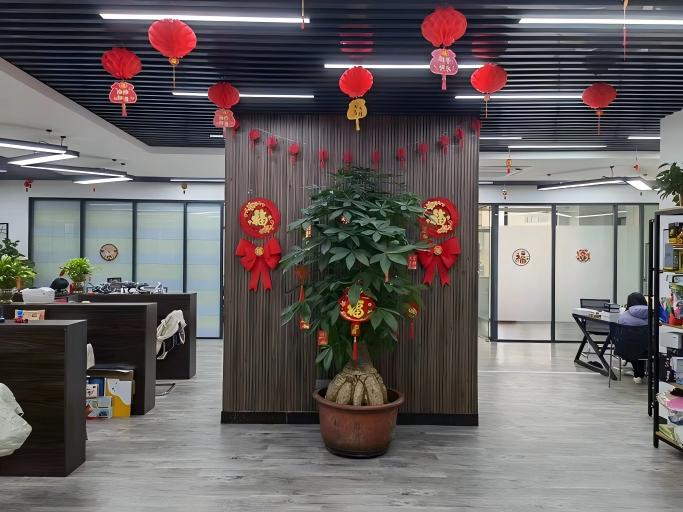
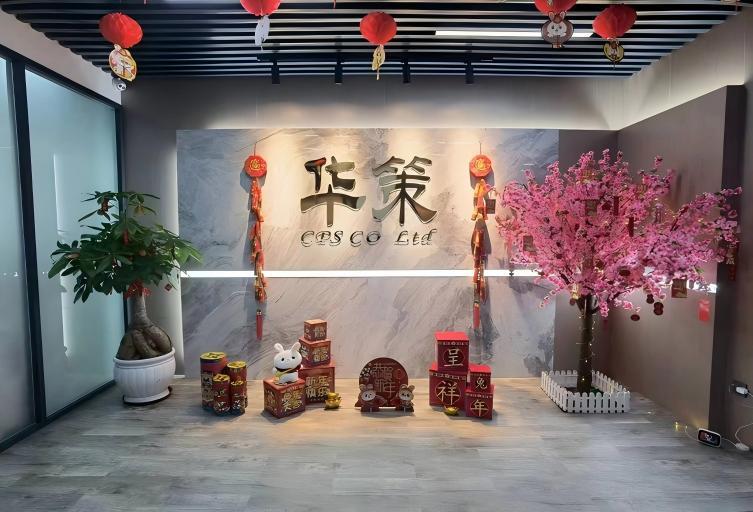
Kidumio is the wholesale brand of CPS Toys Trading Co., Ltd. in Chenghai, Shantou. Send your product list, target market, quantity and packaging needs for FOB / EXW pricing, samples, certificates and OEM/ODM options.
Ready to source fidget and stress toys?
Browse the wholesale catalog or send an inquiry with your target category and quantity.
View all products Request a Quote