Sourcing · Jun 13, 2026
Source Quiet Toys for Clinic Waiting Areas (2026 Guide)
Find and vet suppliers for bulk quiet activity toys in clinic waiting rooms. Noise-level testing, material safety, sanitation, and supplier evaluation checklist.
In short: Find and vet suppliers for bulk quiet activity toys in clinic waiting rooms. Noise-level testing, material safety, sanitation, and supplier evaluation checklist.
How do you find a wholesale supplier for quiet activity toys suitable for clinic waiting areas or libraries? The answer requires verifying noise levels (≤40 dB), material safety certifications (CPSIA, EN71), sanitation compatibility (non-porous, dishwasher-safe), and choking hazard compliance (ASTM F963 small-parts test). This guide walks healthcare and library buyers through exactly how to find and vet wholesale suppliers for quiet activity toys, covering noise-level testing protocols, material safety certifications, sanitation requirements, and practical supplier evaluation criteria.
Wholesalers vs Distributors
For waiting-area quiet toys, the line between wholesaler and distributor matters because it affects lead time, customization, and liability. A wholesaler typically buys directly from manufacturers and sells in larger quantities (often case lots or pallets). They may offer limited customization—like combining specific fidgets into a clinic kit—but rarely offer private labeling. A distributor, on the other hand, acts as an intermediary between multiple manufacturers and the end buyer. They often carry a broader catalog, can split cases, and may provide drop-shipping directly to the clinic. However, distributors usually have higher per-unit costs and less control over product specifications.
Choose a wholesaler if you need consistent, low-cost bulk replenishment of a few SKUs (e.g., the same silent fidget spinner year after year). Choose a distributor if you need a curated mix of items from different brands, require smaller minimums, or want one partner to manage multiple waiting-area stations across a hospital system.
How to Find Them
Start with trade directories that specifically list medical-grade or sensory-toy wholesalers. Alibaba and Global Sources have filters for 'quiet toys' and 'sensory fidgets,' but you must manually verify noise levels and material compliance. Better bets include the National School Supply & Equipment Association (NSSEA) directory, the American Specialty Toy Retailing Association (ASTRA), and regional healthcare purchasing cooperatives (e.g., Premier, Vizient) that sometimes list approved toy vendors.
For a more targeted search, attend trade shows like the ASTRA Marketplace or the International Toy Fair, where sensory and quiet-toy lines are exhibited. At these events, you can physically test noise levels and ask for material data sheets on the spot. If you're budget-constrained, ask peer clinics (via LinkedIn groups like 'Healthcare Facility Managers') for their current vendor lists—many will share contacts if you reciprocate.
Another channel is direct outreach to manufacturers that specialize in classroom reward kits. These suppliers already understand noise-level constraints and teacher-approval requirements, which closely mirror clinic needs. For instance, a supplier who produces 'Quiet Classroom Reward Boxes' (as seen in real sourcing cases) will likely have products that fit a waiting-area brief.
How to Evaluate Partners
| Noise-Level Testing | Ask for a decibel test report per item; acceptable range for clinic waiting areas is ≤40 dB at 1 meter. Red flag: supplier cannot provide test results or uses a vague 'quiet' claim without data. |
|---|---|
| Material Safety Certifications | Require CPSIA (U.S.), EN71 (Europe), or AS/NZS 8124 (Australia) compliance. Also check for phthalate, lead, and BPA-free declarations. Red flag: supplier offers certifications from non-accredited labs or refuses to share certificates. |
| Ease of Sanitation | Toys should be made of non-porous materials (silicone, hard plastic, sealed wood) that can be wiped with disinfectant wipes or run through a dishwasher. Red flag: supplier recommends 'spot clean only' or uses fabric/foam that absorbs liquids. |
| Choking Hazard Compliance | All components must pass the ASTM F963 small-parts test cylinder. For clinic use, avoid any items with detachable pieces smaller than 1.25 inches. Red flag: supplier cannot confirm small-parts test results. |
| Minimum Order Quantities (MOQs) | Typical MOQ for quiet toy wholesalers is 500–2,000 units per SKU. Some offer mixed MOQs (e.g., 1,000 total units across 5 SKUs). Red flag: supplier demands MOQ >5,000 units for a first order without a trial run. |
| Lead Time & Shipping | Expect 4–8 weeks for standard orders from overseas; 2–3 weeks from domestic distributors. Red flag: supplier cannot commit to a written lead time or requests full payment before production. |
Build & Maintain the Relationship
Once you've selected a wholesaler or distributor, invest in a clear contract that specifies noise-level thresholds, material standards, and sanitation requirements. Request a pre-production sample (paid, non-refundable) and test it in your actual waiting area for two weeks. Gather feedback from your front-desk staff and cleaning crew—they are the ones who will handle the toys daily.
For ongoing orders, set up a recurring purchase order (e.g., quarterly) with a 30-day lead time. This gives the supplier predictable volume and you consistent stock. If a supplier consistently meets your specs, consider moving to an exclusive arrangement for your region—this can lower per-unit costs and guarantee priority during peak seasons.
Switching suppliers every order to chase a 5% cost reduction often leads to inconsistent product quality, missed noise-level targets, or compliance gaps. Instead, build a long-term partnership with one or two vetted suppliers and only switch if they fail to meet your core requirements.
Supplier Evaluation Checklist
Use this checklist during the vetting process. Each item should be verified via documentation or physical sample before placing a first order.
1. Noise-level test report (≤40 dB) for every item. 2. Material safety certificates (CPSIA, EN71, or equivalent). 3. Sanitation compatibility—non-porous, wipeable or dishwasher-safe. 4. Small-parts test pass (ASTM F963). 5. Clear MOQ, lead time, and payment terms in writing. 6. References from at least two other clinic or school buyers. 7. Return/replacement policy for defective goods. 8. Sample approval before bulk production. 9. Insurance certificate (product liability coverage). 10. Communication responsiveness—reply within 24 hours during your time zone.
FAQ
What is the maximum acceptable noise level for a clinic waiting-area toy?
Industry best practice is 40 decibels (dB) measured at 1 meter. This is roughly the sound of a quiet library. Some clinics set a stricter 30 dB limit for pediatric oncology or NICU waiting rooms.
Do I need separate certifications for each toy in a multi-item kit?
Yes. Each individual component must meet the same safety standards (CPSIA, EN71). A single certificate for the kit does not cover individual parts—ask for component-level test reports.
Can I use standard fidget toys from a regular toy wholesaler in a clinic?
Not without verification. Many fidget toys are made of porous materials (foam, felt) that harbor bacteria and cannot be sanitized. Also, unlabeled toys may contain small parts or lead. Only use toys from suppliers who explicitly cater to healthcare or educational settings.
What is the typical MOQ for quiet activity toys from a wholesaler?
For standard SKUs, MOQs range from 500 to 2,000 units per item. Some wholesalers offer mixed MOQs (e.g., 1,000 total across 5 items) for custom kits, but this varies by supplier.
How do I verify a supplier's noise-level claims?
Request a decibel test report from an accredited lab (e.g., Intertek, SGS, Bureau Veritas). Alternatively, order a sample and test it yourself with a calibrated sound meter. Relying on the supplier's word alone is risky.
Request a Quote
If you need a partner who specializes in quiet activity toys for clinic and library settings, consider reaching out to a supplier like Kidumio (kidumio.com) that has experience creating low-noise, classroom-style kits with proper safety certifications. Request a sample kit to test noise levels and sanitation ease before committing to bulk.
Source this range with Kidumio
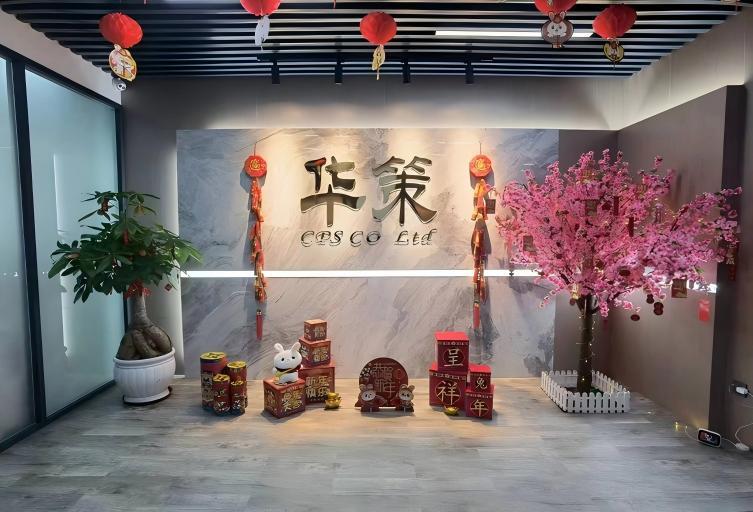
Kidumio is the wholesale brand of CPS Toys Trading Co., Ltd. in Chenghai, Shantou. Send your product list, target market, quantity and packaging needs for FOB / EXW pricing, samples, certificates and OEM/ODM options.
Ready to source fidget and stress toys?
Browse the wholesale catalog or send an inquiry with your target category and quantity.
View all products Request a Quote