Sourcing · Jun 21, 2026
How to Source Puzzle Toys for Schools
Find and vet suppliers for graded puzzles, logic games, and classroom center activities. Bulk sourcing guide for elementary school buyers.
In short: Find and vet suppliers for graded puzzles, logic games, and classroom center activities. Bulk sourcing guide for elementary school buyers.
To source graded puzzles and logic games for elementary classroom centers, start by distinguishing wholesalers from distributors, then use B2B marketplaces, trade shows, and referrals to find vetted partners. This guide covers each step—evaluating product range, materials, certifications, and bulk packaging—so you can meet your RFQ for shape puzzles, mazes, logic chess, challenge cards, and magnetic puzzles with clear difficulty levels and durable materials.
Wholesalers vs Distributors
For classroom puzzles and logic games, the supply chain has two key roles. Wholesalers buy in bulk from manufacturers and sell smaller quantities to retailers, schools, or resellers. They typically offer a broad catalog of multiple brands and product types, with higher per-unit prices but lower MOQs (often 50–200 pieces per SKU). Distributors are authorized to sell specific brands or product lines, often with volume discounts, exclusive territories, and deeper inventory. They may stock only one or two puzzle brands, but can provide better pricing at higher volumes and direct manufacturer support for warranties or replacements.
For an elementary school buyer, wholesalers are better for small-scale, multi-brand orders to test variety. Distributors suit larger, ongoing orders for a single puzzle system (e.g., a specific logic chess line). Know which you need before you start searching.
How to Find Them
Start with B2B marketplaces. Alibaba and Made-in-China list thousands of puzzle and logic game suppliers, but you must filter for classroom-specific products with difficulty levels and safety certifications. Use keywords like 'graded puzzles for schools,' 'classroom logic games bulk,' or 'educational puzzle set MOQ.' Check supplier profiles for 'verified' badges and request a list of past school orders.
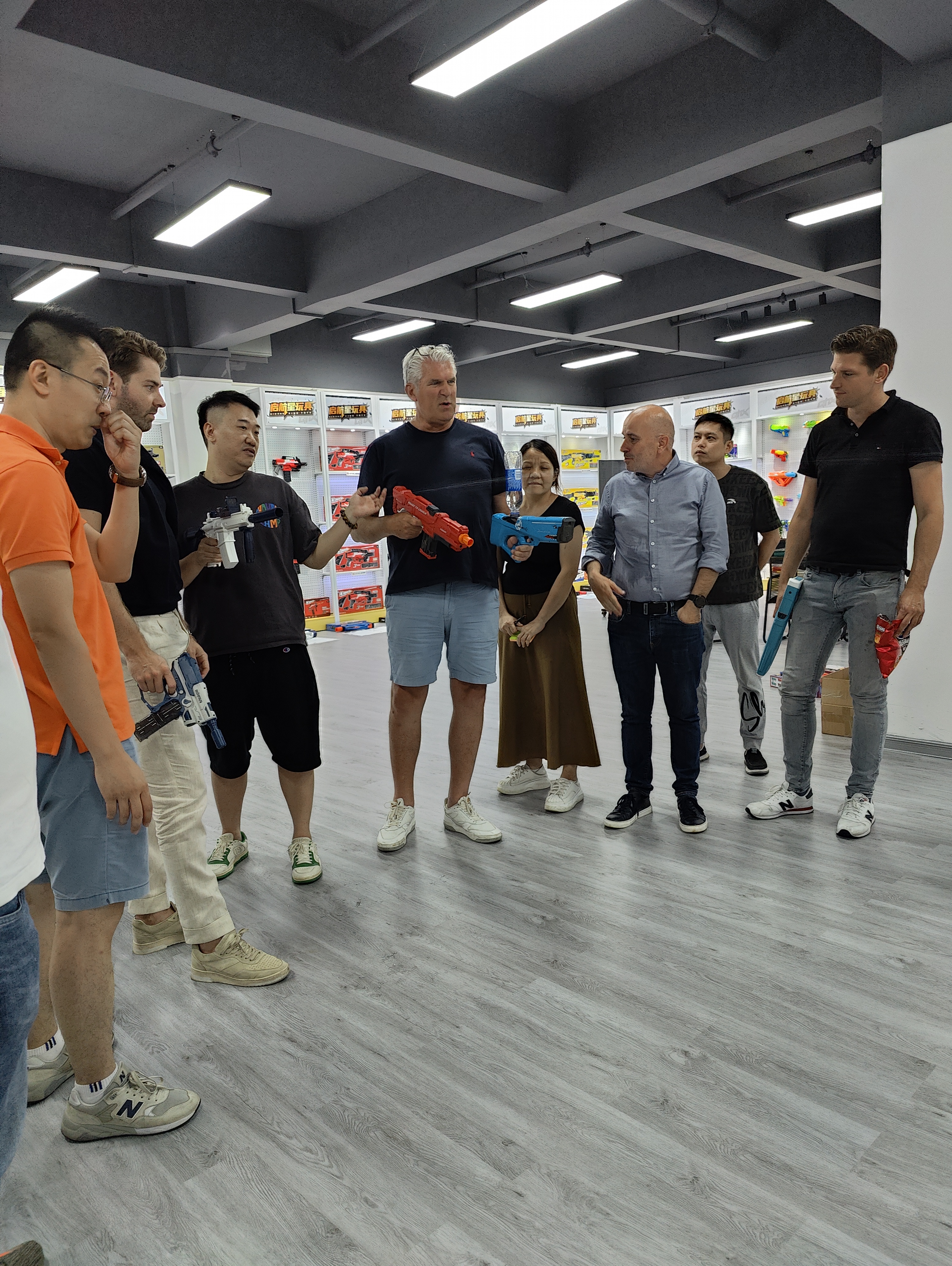
Trade shows are another direct channel. Attend events like the Hong Kong Toys & Games Fair or the US-based TCA (Toy Association) show to meet suppliers face-to-face, feel product quality, and negotiate MOQs on the spot. Regional school supply expos (e.g., the School Equipment Show) also feature distributors specializing in classroom puzzle centers.
Industry associations and referrals cut wasted time. Contact the Toy Association or your local educational distributor network for vetted supplier lists. Ask fellow school buyers in your district or procurement groups for their trusted puzzle suppliers. Personal referrals often yield better communication and faster sample shipping.
Finally, search directly for 'classroom puzzle wholesalers' or 'educational game distributors' in the US or Canada. Many regional distributors have catalogs online with MOQs as low as 20 units per item, ideal for piloting new products.
How to Evaluate Partners
| Product Range & Grading | Does the supplier offer clear difficulty levels (e.g., beginner, intermediate, advanced) for puzzles and logic games? Red flag: vague descriptions without age or skill tiers. |
|---|---|
| Material & Durability | Ask about material specifics: thick cardboard for puzzles, non-toxic paints, magnetic pieces that don't chip. Red flag: supplier cannot provide material safety data sheets or certification. |
| Bulk Packaging Options | Can they supply in classroom-ready bulk packs (e.g., 12 or 24 sets per carton) rather than individual retail boxes? Red flag: minimum order requires individual retail packaging, increasing cost. |
| Certifications | Request CPSIA, ASTM F963, EN71, or CA Prop 65 certificates for US school use. Red flag: supplier hesitates or charges extra for basic documentation. |
| Communication & Lead Time | How quickly do they respond to RFQs? Do they provide clear lead times? Red flag: vague timelines or no direct contact person. |
| Sample Policy | Do they offer samples before bulk order? What is the sample cost and shipping time? Red flag: no samples available or extremely high sample fees. |
Build & Maintain the Relationship
Once you've selected a supplier, start with a small trial order (e.g., 2–3 SKUs at their lowest MOQ). This lets you test product quality, packaging, and delivery timelines without a large commitment. Pay via a secure method like letter of credit or a platform escrow service.
Communicate clearly: specify difficulty levels, packaging format (bulk vs. retail), and required certifications upfront in writing. Use a simple worksheet to track each order's details—lead times, shipping costs, and any issues. After a successful trial, negotiate better pricing on repeat orders or larger volumes.
Avoid these common pitfalls: (1) Skipping samples—always test before buying bulk. (2) Not verifying certifications—a missing ASTM document can halt your delivery at customs. (3) Ignoring MOQ creep—some suppliers raise MOQs after the first order; lock terms in a contract. (4) Overlooking shipping—sea freight for puzzles from China can take 6–8 weeks; plan ahead. Build a relationship by paying on time and providing feedback on product improvements.
Supplier Evaluation Checklist
Use this checklist when reviewing potential partners for graded puzzles and logic games:
☐ Product catalog includes clear difficulty levels (e.g., 3–5 tiers). ☐ Materials specified as thick cardboard, non-toxic, or magnetic-grade. ☐ Bulk packaging available (not just retail boxes). ☐ Certifications: CPSIA, ASTM F963, EN71, and/or CA Prop 65. ☐ Sample policy: cost, turnaround, and return terms. ☐ MOQ: matches your order volume (50–500 pieces per SKU typical). ☐ Communication: direct contact person with prompt response. ☐ Lead time: confirmed in writing (4–8 weeks typical for custom orders). ☐ Payment terms: no full upfront payment; use platform or partial deposit. ☐ Past school orders: ask for references or case studies.
FAQ
What is the typical MOQ for classroom puzzle sets?
For wholesalers, MOQs range from 50 to 200 pieces per SKU. Distributors may require 500+ pieces for better pricing. Always confirm in writing.
Do I need different certifications for puzzles sold in schools?
Yes, for US schools, suppliers should provide CPSIA and ASTM F963 certificates. Some states require CA Prop 65. For Europe, EN71 is mandatory.
Can I get samples before placing a bulk order?
Most reputable suppliers offer samples, often at cost (e.g., $10–$30 per set plus shipping). Avoid suppliers who refuse samples or only offer free samples without a track record.
How do I verify a supplier's quality for classroom use?
Request a sample and test durability (drop test, edge wear). Check that puzzle pieces fit snugly. Ask for a video of the production line or a factory audit report.
What are the red flags for puzzle suppliers?
Vague product descriptions, no certifications, very low prices (under $0.50 per set), demands for full payment upfront, or refusal to send samples.
Related Products & Categories
Request a Quote
Ready to source graded puzzles and logic games for your classroom centers? Request a bulk quote with your MOQ and packaging preferences. We provide clear product specs, sample reviews, and compliance documentation.
Source this range with Kidumio
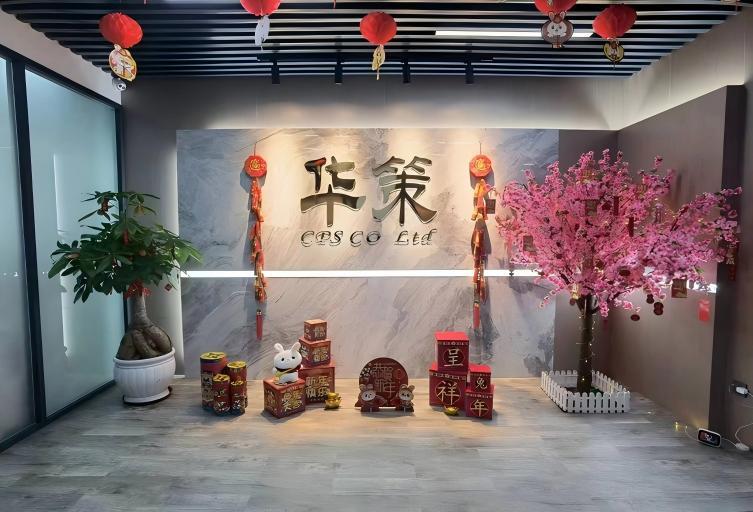
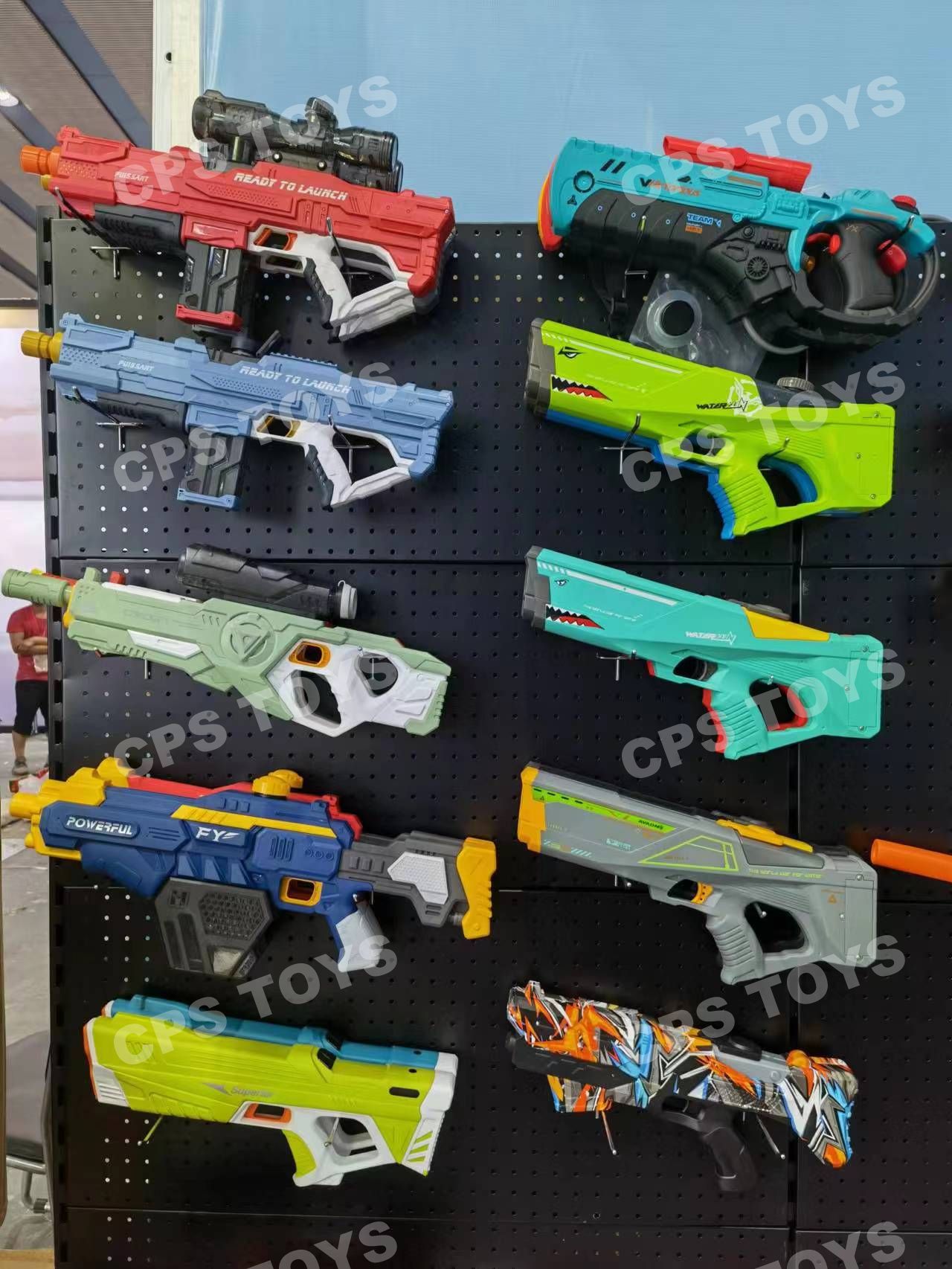
Kidumio is the wholesale brand of CPS Toys Trading Co., Ltd. in Chenghai, Shantou. Send your product list, target market, quantity and packaging needs for FOB / EXW pricing, samples, certificates and OEM/ODM options.
Ready to source fidget and stress toys?
Browse the wholesale catalog or send an inquiry with your target category and quantity.
View all products Request a Quote