Sourcing · Jul 11, 2026
US Toy Tariff Compliance After Supreme Court Ruling 2026
Navigate US toy tariff compliance after the Supreme Court ruling. Leverage Chinese factory documents for refunds, reduce exposure. Step-by-step guide for importers.
In short: Navigate US toy tariff compliance after the Supreme Court ruling. Leverage Chinese factory documents for refunds, reduce exposure. Step-by-step guide for importers.
The Supreme Court ruling that emergency tariffs are illegal does not mean importers can ignore tariff compliance. It means precise documentation is now more valuable than ever for securing refunds. This page covers how US toy importers can leverage Chinese factory compliance documents—certificates of origin, supply chain traceability, and product testing reports—to reduce tariff exposure and choose the right wholesale or OEM partner. You'll get a structured process for finding suppliers, evaluating them, and maintaining a relationship that keeps your tariff costs in check.
Wholesalers vs Distributors
A wholesaler buys products in bulk from manufacturers and sells them to retailers or other businesses. A distributor typically holds exclusive rights to sell a manufacturer's products in a specific region and may offer logistics, marketing, and after-sales support. For tariff compliance, distributors often have more robust documentation systems because they manage larger, recurring volumes. Wholesalers may offer lower minimum order quantities (MOQs) but might lack the compliance infrastructure to provide the detailed certificates of origin and supply chain traceability needed for tariff refunds. Choose a distributor if you need consistent compliance support and can commit to higher volumes; choose a wholesaler if you need flexibility and lower MOQs, but be prepared to request and verify compliance documents yourself.
How to Find Them
Start with B2B platforms that list verified Chinese toy factories. Alibaba and Global Sources are the largest, but filter for suppliers who explicitly state they hold ASTM F963, CPSIA, or CPC certifications. Use the 'verified' or 'assessed' supplier badge as a baseline, then cross-reference with the platform's inspection reports. Trade shows such as the Canton Fair in Guangzhou and the Hong Kong Toys & Games Fair offer direct face-to-face vetting. Industry associations like the Toy Industry Association (TIA) maintain member directories. For tariff-sensitive sourcing, also check if the supplier is part of the U.S. Customs and Border Protection's (CBP) Trusted Trader programs, which can expedite document verification. Keyword search on LinkedIn for sourcing managers at Chinese toy factories can yield direct contacts, but always verify company registration via China's National Enterprise Credit Information Publicity System.
How to Evaluate Partners
| Documentation readiness | Does the supplier provide certificates of origin, supply chain traceability reports, and product testing (ASTM F963, CPSIA, CPC) on request? |
|---|---|
| Red flag | Supplier hesitates to share testing reports or invoices that cover raw material sources. |
| MOQ flexibility | Can they accommodate trial orders (e.g., 500–1000 units) before committing to container volumes? |
| Red flag | Only offers MOQs above 10,000 units with no sample or trial option. |
| Compliance knowledge | Do they understand U.S. tariff classification (HTSUS) and the current refund process for emergency tariffs? |
| Red flag | Claims 'all tariffs are illegal' without understanding the distinction between emergency and regular tariffs. |
| Shipping & lead time | What is the typical lead time from order confirmation to FOB port? Can they provide a bill of lading with accurate cargo description? |
| Red flag | Lead time exceeds 60 days without a clear reason, or they refuse to issue a bill of lading that matches the commercial invoice. |
Build & Maintain the Relationship
Treat compliance documentation as part of the product, not an afterthought. Include document delivery milestones in your purchase agreement: certificates of origin must be emailed within 5 business days of shipment, testing reports within 15 days. Schedule quarterly compliance audits where you request updated certificates and review any changes in the supplier's supply chain. Pay on time and communicate your forecast at least 90 days out—this gives the factory time to secure compliant raw materials. When tariff refund opportunities arise, share the specific document requirements from your customs broker with the supplier so they can adjust their paperwork. Avoid the common trap of switching suppliers solely on price: a factory that has already invested in traceability systems will save you more in tariff refunds than a cheaper factory that can't produce the right documents.
Supplier Evaluation Checklist
Before signing any agreement, confirm these specifics: 1) Does the supplier have a current ASTM F963 or CPSIA testing report from a CPSC-accepted lab for the product category you're buying? 2) Can they produce a certificate of origin issued by a Chinese chamber of commerce (CCPIT) that matches the HTSUS code you intend to declare? 3) Do they maintain a raw material traceability log that covers at least 6 months? 4) Have they processed a tariff refund request before—and can they provide a reference? 5) What is their process for updating compliance documents when U.S. regulations change? 6) Do they offer OEM packaging that includes the required tracking labels and warning statements as per 16 CFR Part 500? 7) What is their policy on sample shipments for compliance testing before bulk production?
FAQ
What minimum order quantities and pricing tiers do Chinese suppliers typically require for educational toys wholesale?
MOQs for educational toys from Chinese factories commonly range from 500 to 2,000 units per SKU for standard products. OEM/private label orders often start at 3,000–5,000 units per design. Pricing tiers are volume-based: the per-unit price drops significantly at 10,000+ units. Always request a tiered price list for 1,000, 5,000, and 10,000 units to compare.
What are the typical lead times and shipping costs for bulk educational toys wholesale orders from Asia to a US distribution center?
Standard production lead time is 30–45 days from order confirmation. Ocean freight from a Chinese port (e.g., Shenzhen or Ningbo) to a US West Coast port takes 15–25 days. Total door-to-door time is typically 50–70 days. Shipping costs vary by container size and current freight rates; use a freight forwarder to get real-time quotes. For tariff refund purposes, the bill of lading date and commercial invoice must align with the HTSUS declaration.
Can educational toys wholesale suppliers offer custom packaging and branding for retail-ready products, and what are the common design file requirements?
Yes, most Chinese toy factories offer OEM packaging. Common design file requirements: AI (Adobe Illustrator) or EPS format for print-ready artwork, with bleeds of at least 3mm and all text converted to outlines. They typically require CMYK color mode and a resolution of 300 dpi. Confirm whether the supplier handles barcode generation (UPC/EAN) and includes tracking labels as per U.S. law. Always request a packaging proof before mass production.
What should importers check before sourcing STEM toys wholesale from China?
Verify that the supplier has current ASTM F963 and CPSIA testing reports from a CPSC-accepted lab. Confirm the country of origin (China) and ensure the supplier can issue a certificate of origin (CCPIT) for tariff purposes. Check that the product contains no small parts that could be a choking hazard for the intended age group, and that the age grading on the packaging is accurate. Request a sample for your own compliance testing before placing a bulk order. Also confirm the supplier's policy on lead-based paint and phthalates, as these are common compliance issues.
What MOQ, pricing, and packaging details should buyers confirm for STEM toys wholesale?
Confirm the MOQ (typically 500–2,000 units per SKU), the per-unit price at your target volume, and whether pricing is FOB or CIF. For packaging, confirm carton dimensions, units per carton, and whether inner boxes are included. Request a packaging specification sheet that lists all materials. If you need custom packaging, ask for a list of required design file formats and any additional costs for plate-making or die-cutting.
Request a Quote
Ready to source educational toys with full compliance support? Kidumio helps procurement teams coordinate ASTM F963, CPSIA, CPC, age grading, tracking label, and warning label documents for classroom-ready toy assortments. Contact us for a quote with clear SKU data, MOQ guidance, and OEM packaging options.
Source this range with Kidumio
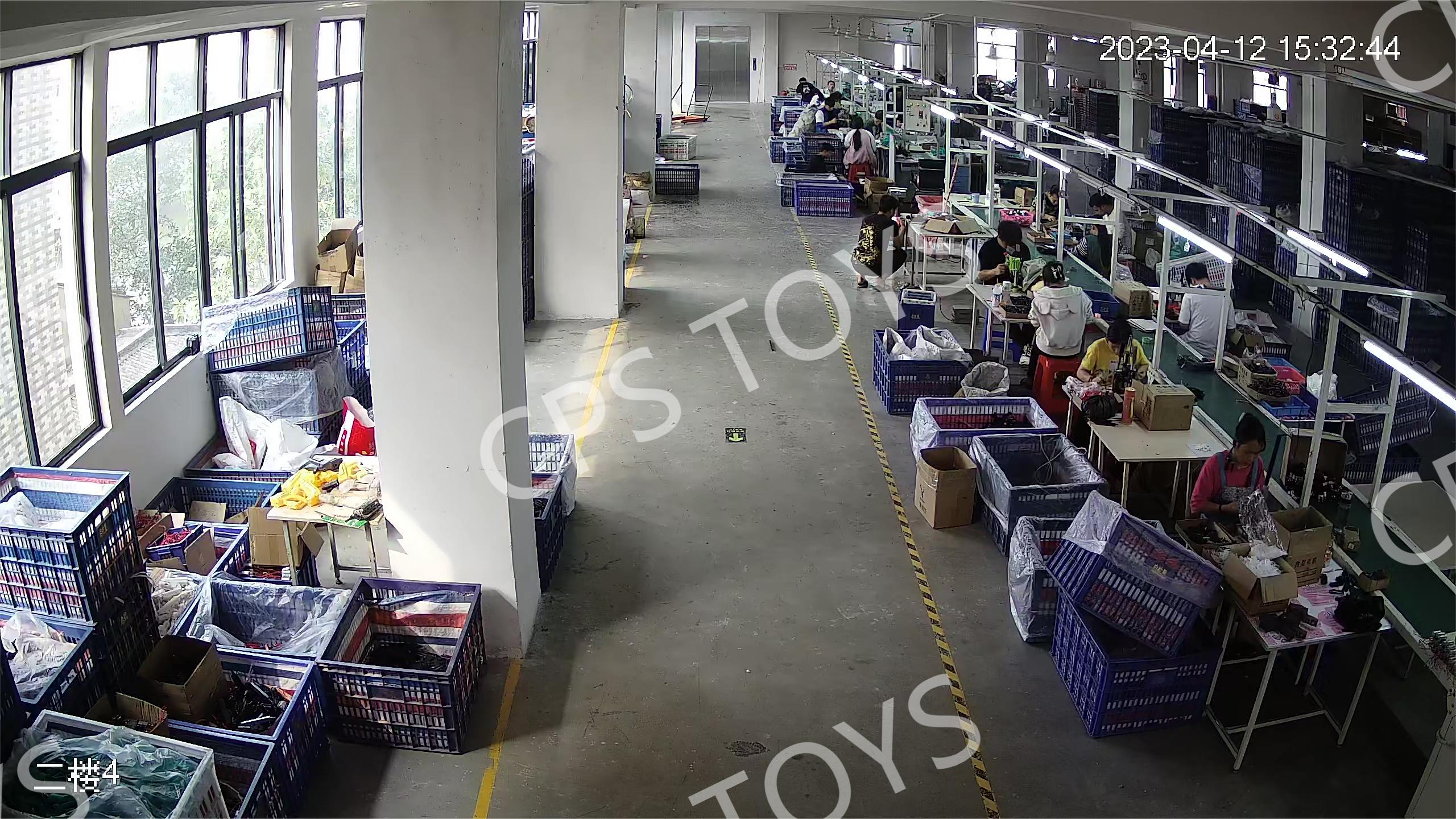
Kidumio is the wholesale brand of CPS Toys Trading Co., Ltd. in Chenghai, Shantou. Send your product list, target market, quantity and packaging needs for FOB / EXW pricing, samples, certificates and OEM/ODM options.
Ready to source fidget and stress toys?
Browse the wholesale catalog or send an inquiry with your target category and quantity.
View all products Request a Quote