Educational Toys by Age Wholesale: Plan a Pilot Order That Actually Tells You Something
Plan a low-risk pilot order of educational toys by age for wholesale. Learn how to compare suppliers, verify compliance, and use golden samples to avoid costly mistakes.
A pilot order of educational toys by age is only useful if it tests what you cannot learn from a catalog: real product consistency across a production lot. For school suppliers and institutional buyers building preschool-through-primary assortments, the first order should be small enough to risk, but structured enough to reveal supplier behavior—especially how the factory controls color, fit, flash, and function against a sealed golden sample. In Chenghai, where I have worked for eleven years, the golden sample on the QC shelf ends disputes that email threads never resolve. Buyers who approve only a photo pay for it on the second lot. This guide walks you through planning that pilot order, comparing suppliers, and defining your next action based on evidence, not guesswork.
Key Takeaways: What a Pilot Order Should Prove
- Start with 50–200 pieces per SKU: Typical MOQs for educational toys range from 50 to 200 pieces per item, letting you test market response without overcommitting inventory.
- Focus on ages 1–7 first: The most popular age band for educational toys is 1–7 years; prioritize these SKUs in your pilot to maximize relevance for classroom buyers.
- Golden sample is your safety net: Rely on a physical sealed sample, not photos, to compare bulk production on color, fit, flash, and function; this prevents costly second-lot surprises.
- Match lab reports to your PO: A type-test report covers only the specific SKU, materials, and production cohort; ensure the report identity matches your order before shipment.
- Define your next action before ordering: Decide what the pilot must confirm—compliance, quality consistency, or packaging—so you can scale with confidence or switch suppliers.
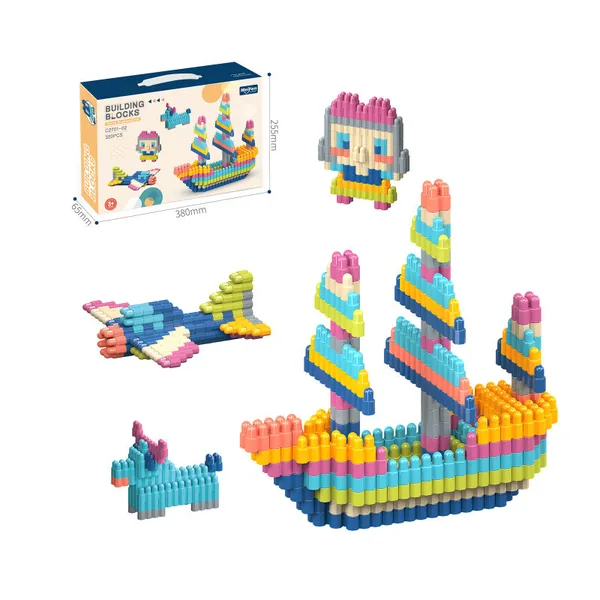
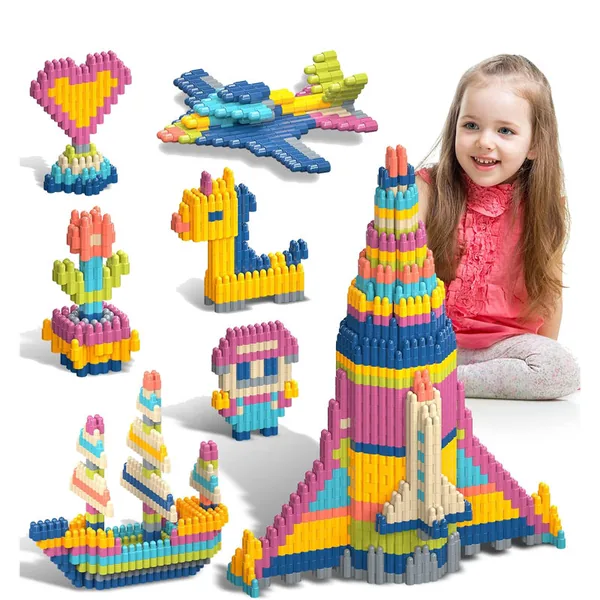
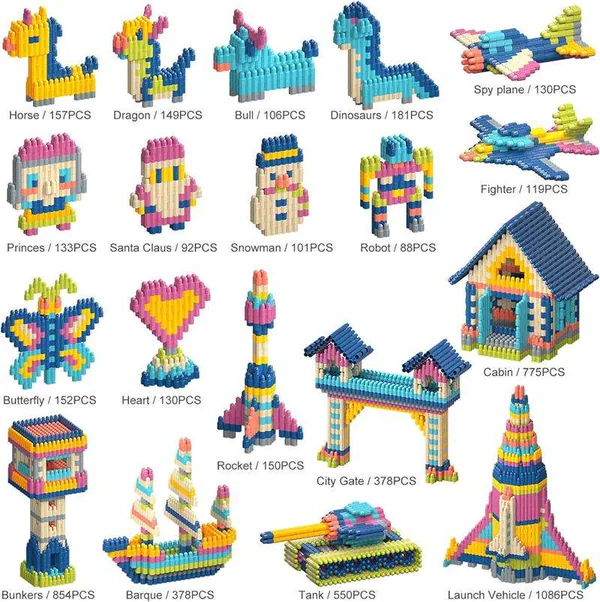
How Should You Choose Educational Toys by Age for a Pilot Order?
Age-band planning starts with your end customer: a preschool classroom needs different SKUs than a primary-grade after-school program. For a pilot, select two to three age groups (e.g., 2–4, 5–7, 8–10) and pick one or two SKUs per group. This lets you test demand across the spectrum without multiplying inventory risk.
Building blocks and construction sets suit 3–6 year-olds, while matching games and math toys often target 4–8. Always check the piece size and small-parts risk: a large box does not make every individual piece safe for every age, and US small-parts analysis must match the intended age grade. A 3+ label cannot automatically replace a 0–3 assessment.
What MOQ and Pricing Should You Expect for Educational Toys Wholesale?
MOQs vary by supplier and product complexity. A typical educational toy MOQ is 50–200 pieces per SKU, though simple plastic items may go lower. For example, some building block sets have MOQs as low as 18–36 pieces, while more complex matching games might require 180. Prices for basic plastic sets often fall in the $1.50–$5 range, with wooden or larger sets higher—but never trust a price without a carton quantity and a sample.
Ask for a price break at 500, 1,000, and 2,000 units per SKU. This shows whether the supplier rewards volume and helps you project scale-up costs. A pilot order is not just about cost; it is about learning the supplier's minimum viable production run and their flexibility for mixed cartons.
Which Certifications Apply to Educational Toys for the US and EU?
According to the U.S. Consumer Product Safety Commission (CPSC), the Consumer Product Safety Improvement Act (CPSIA) requires testing for lead, phthalates, and small parts; use-and-abuse testing per 16 CFR 1500.50–53 (impact, bite, flex, torque, tension) is part of that. The EU uses EN71, and the ASTM F963 standard is common for US-bound toys. Many Chinese suppliers hold EN71 and ASTM certificates, but you must verify the certificate covers your specific SKU, not just the factory's general line.
A type-test report does not automatically cover a later production lot. Importers should match the report's SKU, materials, colors, and production date/cohort to the PO. For example, if you order a building block set with a different colorway than the test sample, the report may be invalid. Always request a lab report that matches your exact SKU and ask for a production-date-specific certificate if possible.
Supplier Comparison for Educational Toys by Age
| TonySourcing | Specialty: STEM, math, alphabet, phonics; MOQ 50–200 pcs; Origin: Yiwu/Shantou; OEM/ODM: Yes; Certs: EN71, ASTM, FSC (wood), GCC |
|---|---|
| Kidumio | Specialty: sensory learning, puzzle, building blocks, classroom rewards; MOQ varies by spec (e.g., 36–96 pcs); Origin: Chenghai/Shantou; OEM/ODM: Yes; Certs: varies by spec (compliance support for US/EU) |
| Generic Chenghai factory | Specialty: plastic toys, building blocks; MOQ varies by spec; Origin: Chenghai/Shantou; OEM/ODM: Yes; Certs: varies by spec |
| Yiwu trading company | Specialty: mixed consumer goods; MOQ often lower; Origin: Yiwu; OEM/ODM: Limited; Certs: varies by spec |
How Can You Verify a Chinese Supplier Before Committing?
Verification starts with documentation. Ask for business licenses, export history, and product-specific test reports. Then request samples—not just photos. A physical sample lets you check material quality, finish, and whether the product matches the claimed age grade. In Chenghai, the sealed golden sample is the standard against which bulk production is measured; if a supplier hesitates to send one, that is a red flag.
Conduct a factory audit if your order size justifies it. Check whether the factory has its own injection molding lines or outsources, which affects quality control. Ask about their QC process for color, fit, flash, and function—the same criteria I use on my QC shelf. Also confirm their experience with your target market's compliance requirements; a supplier who has shipped to US schools will understand CPSIA and ASTM nuances better than one focused on domestic sales.
What Should Your Pilot Order RFQ Include?
A useful toy RFQ states the destination market, age grade, materials and colors, packaging language, requested tests, sample policy, tooling terms, and the requested trade term. Specify 'US market, age 3+, ABS plastic, English packaging, ASTM F963 test, golden sample required, FOB Shantou.' This prevents ambiguity that leads to wrong quotes or non-compliant products.
Include a clear sample policy: when will samples ship, who pays, and what the golden sample covers. Ask for a pre-production sample after tooling and a production-part approval before bulk runs. This compares first released parts with the signed drawing and golden sample, ensuring the first lot matches your expectation.
How Do You Manage Logistics and Payment for a Pilot Order?
Ocean freight is usually most cost-effective for pilot orders, but air or express couriers work for urgent or small quantities. Lead times range from 7–15 working days for air/express to 30–45 days for ocean. Confirm the trade term (EXW, FOB, CIF, DDP) and what each includes—FOB means you handle freight from the port, while DDP includes delivery to your door.
Payment terms typically require a 30% deposit and 70% balance before shipment, but some suppliers offer better terms for repeat buyers. For a first order, consider using a letter of credit or a third-party inspection service to protect your deposit. Always get a proforma invoice with clear payment milestones.
What Are the Common Pitfalls in Sourcing Educational Toys by Age Wholesale?
Relying on photos instead of physical samples is a common mistake. Color and finish differences are hard to judge on a screen, and the second lot often pays for that error. Ignoring age-grade compliance is another: a toy labeled 3+ may still have small parts that require a 0–3 analysis. Always verify the age grade matches the test report.
A third pitfall is not matching the test report to the production lot. A report from a sample made in January does not cover a July production run if materials or colors changed. Always request a production-date-specific certificate or at least a letter of conformity from the factory.
FAQ: Sourcing Educational Toys by Age Wholesale
Can educational toys wholesale suppliers offer custom packaging and branding for retail-ready products, and what are the common design file requirements?
Most suppliers offer OEM packaging. You typically need to provide print-ready files in AI, PDF, or CDR format with 300 DPI resolution, including cut lines and bleed. Confirm whether the supplier charges a packaging design fee or includes it in the MOQ.
What should importers check before sourcing STEM toys wholesale from China?
Verify the supplier's certifications (EN71, ASTM), request a physical sample, and confirm the test report matches your specific SKU and production date. Also check piece sizes for small-part risks, especially for age 3+ toys.
How can buyers compare reliable suppliers for STEM toys wholesale?
Compare MOQs, pricing, sample policies, certifications, and QC processes. Ask for references from similar buyers (school suppliers or distributors) and request a factory audit if the order size justifies it.
What is a typical MOQ for a pilot order of educational toys?
Typical MOQs range from 50 to 200 pieces per SKU, though some simple items go as low as 18–36. For a pilot, aim for 1–2 SKUs per age band to keep risk low while testing supplier quality.
How long does a pilot order take to arrive?
Production typically takes 2–4 weeks, plus shipping. Air or express takes 7–15 working days; ocean freight takes 30–45 days. Plan your pilot with a buffer for customs and QC.
Sources
- educational toy supplier
- educational toys supplier
- shop by age a1 560189.fltr
- wholesale development and learning
Related Products & Categories
Request a Quote for Your Pilot Order
Ready to plan your pilot order of educational toys by age? Contact us for a quote with clear SKU data, MOQ guidance, and compliance support for your destination market. We can also arrange a factory audit or sample review to verify quality before you commit.