
Supplier · Jul 16, 2026
CPSC eFiling 2026: Toy Factory US Customs Prep
How China toy factories prep for mandatory CPSC eFiling in 2026. Learn the 3 data points a supplier must provide before your shipment hits US customs.

In short: How China toy factories prep for mandatory CPSC eFiling in 2026. Learn the 3 data points a supplier must provide before your shipment hits US customs.
The single biggest mistake a toy importer can make in 2026 is sailing a container before the Chinese factory has linked the CPSC-accepted lab report to the shipment’s unique entry number. Shipments are being held at Long Beach because manufacturers treat the Children’s Product Certificate (CPC) like a static PDF—something you email once and forget. eFiling flips that. Now, US Customs and Border Protection (CBP) electronically validates the certificate data before the vessel even docks. This article covers exactly how a factory in Chenghai or Shantou prepares for that reality: the three data components they must supply, how existing ASTM F963 testing protocols feed into eFiling, and the specific questions a buyer should ask during a factory audit to avoid a costly cargo hold.
What Changed with CPSC eFiling in 2026?
Since July 2026, the CPSC’s eFiling program for toys and children’s products has been mandatory. It’s no longer enough to present a paper CPC during a spot-check. The importer of record must transmit certificate data electronically to CBP through the Automated Commercial Environment (ACE) at the time of entry. For a factory, this means they can’t just hand over a test report and wish you luck. They need to provide structured data that maps to the entry filing: the CPSC-accepted lab, the date range of testing, and the exact scope of products covered by that batch.
A common choke point is the party information. The electronic filing requires the manufacturer’s name and address exactly as it appears on the test report, plus the importer’s IRS number or CBP-assigned ID. If a trading company placed the order and their details differ from the factory on the report, the data mismatch triggers a reject. In Shantou, many small factories still rely on export agents whose names don’t appear on the lab documentation. That mismatch—not product safety—is what now consumes most pre-shipment time.
The Three Data Points a Factory Must Provide Before Sailing
When a buyer asks, "Are you ready for eFiling?" the answer lies in three deliverables prepared for every US-bound order. First, the CPSC-accepted lab identification: the lab name, contact details, and the specific accreditation scope. Not every lab that tests to ASTM F963 is a CPSC-accepted third-party laboratory. If the lab isn’t on the CPSC’s public registry, the filing fails regardless of how thorough the test was.
Second, the testing period linkage. The factory must provide the date range when the product batch was tested, and confirm that the batch shipped falls within the production period covered by that test. If a buyer places a repeat order six months later with no design change, a fresh periodic test is still required—and the eFiling must reference that new date range. Third, the product identification level: the filing maps to a specific GTIN or item number, not a generic family. A single certificate covering "plastic building blocks" won’t clear a container of 12 different SKUs unless each SKU is explicitly listed, or the testing scope is detailed enough to demonstrate material and construction consistency.
How a Factory’s Existing Testing Protocol Feeds into eFiling
For buyers sourcing from established educational toy manufacturers in Chenghai, a robust testing protocol doesn’t start from zero. If a factory already runs ASTM F963, CPSIA total lead, and phthalates testing with a CPSC-accepted lab, the data infrastructure exists. What changes is the output format. Instead of just generating a PDF report, the lab can now issue a digital certificate with a unique identifier that both the factory and the importer can use for filing.
The weak link is often the tracking label. eFiling requires the product to bear permanent, legible tracking information that ties back to the manufacturer and production batch. If the tracking label on the physical product doesn’t match the data in the electronic filing, CBP can flag the entry for a documentary or physical examination. Photographing the tracking label on the first production piece and including that image in the pre-shipment compliance package allows the buyer’s customs broker to verify the string exactly before submitting the entry.
Concrete Sourcing Verdicts for 2026
- Buyers sourcing plush, plastic, or educational toys from China need to adjust their supplier evaluation checklist. Here’s what matters now:
- Non-negotiable: Factory must use a CPSC-accepted lab; if they can’t name their lab and its accreditation scope during the first call, walk away.
- Batch-level traceability: The factory must be able to link a specific production date to a specific test report. Generic annual certifications are not sufficient for eFiling.
- MOQ reality check: Small trial orders (under 500 units) still require the same certification data as a full container; the compliance cost per unit is higher, so factor that into landed cost calculations.
- Document delivery timing: Certification data must arrive before the vessel departs. A factory that sends test reports two weeks after shipment is a red flag for eFiling readiness.
- OEM/private label warning: If you use your own brand name, the CPC must list your company as the "private labeler." The factory’s test data still underpins it, but the filing entity changes.
How Different Toy Origins Handle eFiling Readiness
Not all Chinese toy manufacturing regions are equally prepared for CPSC eFiling. Chenghai and Shantou have deeper experience with ASTM/CPSIA testing for the US market, while Yiwu’s strength lies in general merchandise where CPSC eFiling requirements are less familiar. Chenghai/Shantou factories specializing in plastic toys, educational toys, and building blocks typically offer full OEM/ODM support with MOQs from 500–3,000 units. Most established factories already have ongoing relationships with CPSC-accepted labs and are familiar with tracking label requirements.
What a Factory Audit Should Cover for eFiling
| Lab accreditation evidence | Ask to see a recent test report from a CPSC-accepted lab. Verify the lab name against the CPSC registry online. A report from an unaccredited lab has zero value for eFiling. |
|---|---|
| Tracking label protocol | Inspect a production sample’s tracking label. Does it include manufacturer name, location, production date, and batch number? Is it permanently affixed—not a sticker that peels off? |
| SKU-to-certificate mapping | If you’re buying 20 SKUs, ask the factory to show the certificate scope for each. A single certificate that vaguely covers "plastic toys" without SKU-level detail is a customs risk. |
| Data handoff process | Ask the factory to demonstrate how they deliver certificate data: is it a structured file your broker can upload to ACE, or an unstructured PDF you’ll need to manually parse? The latter will slow your entry. |
| Periodic testing schedule | Confirm the factory’s periodic testing frequency. According to ASTM F963, periodic testing is required at least annually, but for high-volume items, more frequent batch testing is advisable. |
The Chenghai Advantage: Why Educational Toy Factories There Adapt Faster
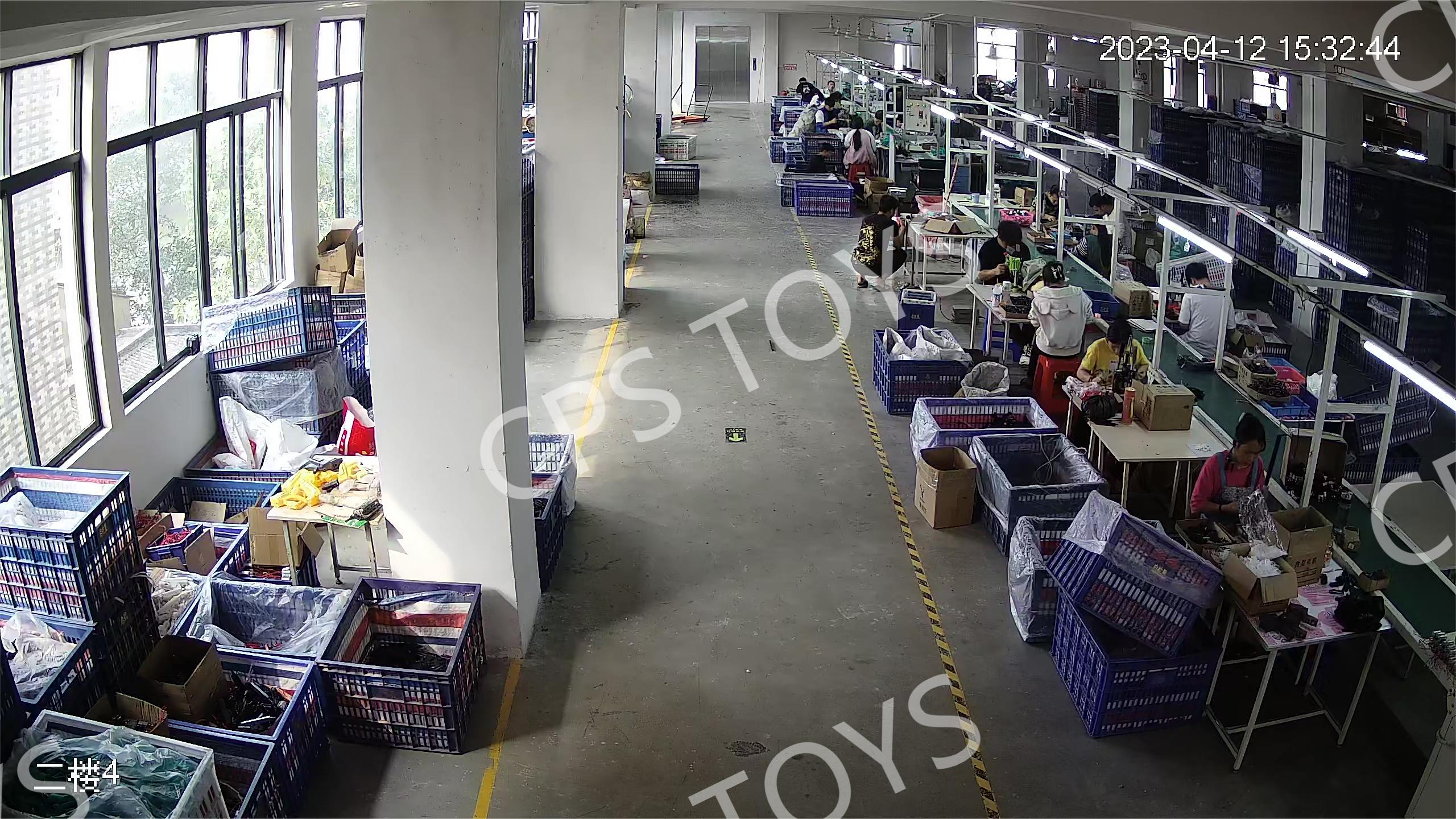
Chenghai, as the core manufacturing hub of Shantou, Guangdong, accounts for a significant share of the world’s plastic toys. Thousands of factories cluster within a 20-kilometer radius, which creates a dense ecosystem of CPSC-accepted testing labs, packaging suppliers familiar with tracking label regulations, and logistics agents who understand ACE filing requirements. When a regulatory change like eFiling hits, the knowledge spreads quickly because factory owners, lab technicians, and export agents share the same industrial parks and tea tables.
A factory specializing in educational toys—puzzle play, tactile sensory items, classroom reward products—already operates with a compliance-first mindset. School and institutional buyers demand documentation that retail buyers sometimes overlook. This means the factory’s quality control team is accustomed to producing batch-specific certificates, maintaining age-grading rationales, and formatting product information in ways that map neatly to the eFiling data fields. If you’re sourcing STEM or educational products, ask the supplier about their classroom-channel experience; it’s a strong proxy for eFiling readiness.
One factory in this region, Kidumio, structures its entire pre-shipment package around compliance coordination, helping buyers coordinate ASTM F963, CPSIA, CPC, age grading, tracking label and warning label documents based on destination-market requirements. When you evaluate any factory, compare their document delivery process against what a compliance-coordination-focused supplier offers.
Tips for Foreign Buyers: Avoiding the eFiling Cargo Hold
The most painful call is from a buyer whose container just arrived in Los Angeles and got flagged for a CPSC exam because the eFiling data didn’t match. The exam alone takes 7–14 days, and demurrage charges pile up. Here’s how to prevent it.
First, language precision matters. The manufacturer name on the CPC must exactly match what the factory’s business license states in English. If your purchase order uses a shortened trading name, but the lab report uses the full registered name, CBP’s system sees a mismatch. Confirm the exact factory name during the sample stage, not the shipping stage. Second, your payment terms should include a clause that certificate data delivery is a pre-condition for the balance payment. If the factory knows the final 30% depends on delivering compliant eFiling data before the vessel sails, their priorities align with yours.
Third, never assume a passed lab test equals a complete eFiling package. A lab report is an input; the CPC is the output that ties the lab data to your specific shipment. The factory must create that CPC and map it to the entry number your broker provides. If the factory doesn’t understand this distinction, you’re onboarding a supplier who will learn on your dime—and your demurrage clock.
Inspection & Logistics Checklist: Pre-Shipment for US-Bound Toys
Before you release the shipment, run through this checklist. It’s the same one used internally for educational toy orders heading to North American distributors and school suppliers.
1. CPSC-accepted lab report: Valid for the specific batch and SKUs. Date range covers production dates. 2. Children’s Product Certificate (CPC): Signed, dated, lists the private labeler (your company if you use your own brand), and references the lab report. 3. Tracking label verification: Photo of the label on a production piece. Permanent, legible, includes manufacturer, location, and production date. 4. eFiling data package: Structured data (not just a PDF) that your customs broker can upload to ACE—manufacturer name, importer ID, lab details, test date range, product identifiers. 5. Carton markings: Cartons labeled with GTIN or item numbers that match the CPC and the commercial invoice. 6. Sample retention: One sealed production sample per SKU retained at the factory, labeled with production date, to serve as reference in case CBP questions arise post-entry.
For logistics, choose a freight forwarder who files ACE entries with CPSC eFiling data regularly. Generalist forwarders who handle furniture and textiles may not have the toy-specific workflow. Ask your forwarder directly: "How many toy eFilings did you process last month?" A low number is a warning.
FAQ
Does CPSC eFiling apply to all toys or only children’s products?
CPSC eFiling applies to all consumer products regulated by the CPSC that require a certificate. For toys, this means any product intended for children 12 and under that requires a Children’s Product Certificate under CPSIA. General-use products for ages 13+ are outside scope.
My factory already has ASTM F963 reports. Is that enough for eFiling?
Not automatically. The lab must be CPSC-accepted, the test must cover the specific batch you’re shipping, and the factory must format the data for ACE transmission. An old PDF report from an unaccredited lab has no value for eFiling.
What happens if my shipment arrives and the eFiling data is rejected?
CBP will hold the container for a documentary or physical examination. You’ll incur demurrage and exam fees. The shipment cannot enter US commerce until the certificate data is corrected and accepted. This can take 1–3 weeks.
Can a trading company handle eFiling instead of the factory?
The CPC must list the manufacturer and the private labeler. If the trading company is the manufacturer of record on the certificate, their name must match the lab report. If the lab report lists the actual factory, the trading company cannot simply substitute its own name without creating a mismatch.
What should I ask a new Chinese toy supplier about eFiling?
Ask: 'Which CPSC-accepted lab do you use, and can you send me a redacted recent report?' Also ask: 'Show me your tracking label protocol for US-bound shipments.' If they hesitate on either, they’re not ready.
Request a Quote
If you’re sourcing educational toys and need a supplier whose documentation process is built for CPSC eFiling, contact Kidumio. We provide batch-specific certification data, CPSC-accepted lab reports, and pre-shipment compliance packages that your broker can upload to ACE without manual rework. Contact us with your target SKUs, order volume, and destination market for a compliance-ready proposal within 48 hours.
Source this range with Kidumio
Kidumio is the wholesale brand of CPS Toys Trading Co., Ltd. in Chenghai, Shantou. Send your product list, target market, quantity and packaging needs for FOB / EXW pricing, samples, certificates and OEM/ODM options.
Ready to source fidget and stress toys?
Browse the wholesale catalog or send an inquiry with your target category and quantity.
View all products Request a Quote