Classroom Reward Toys Wholesale: OEM vs. ODM — Which Fits Your Launch Timeline?
Decide OEM vs ODM for classroom reward toys. Learn launch timelines, MOQ expectations, and how to verify Chenghai suppliers before you order.
The single most important decision when sourcing classroom reward toys wholesale is not price — it's whether you go OEM or ODM, because that choice sets your entire launch timeline. OEM means you hand the factory your design and own the IP; ODM means you pick from the factory's existing designs and customize branding. For most school suppliers and educational distributors, ODM gets products to market in 1–3 months, while a true OEM program typically runs 4–12 months from design freeze to shipment. This guide walks you through the trade-offs, the timeline math, and how to verify a Chenghai or Shantou factory before you commit.
Key Takeaways for Classroom Reward Toys Buyers
- ODM is the faster, lower-risk path if you don't have proprietary designs: expect 1–3 months from sample approval to shipment, with more flexible MOQs (sometimes in the hundreds).
- OEM is for unique reward toys (custom mechanisms, exclusive characters) but carries a 4–12 month timeline, higher MOQs, and tooling costs that can run into tens of thousands of dollars.
- IP ownership is never automatic: in OEM, your contract must state mold and design ownership; in ODM, you must negotiate regional exclusivity or the factory can sell the same item to competitors.
- Before any factory visit, ask for a written production schedule with sample dates, not just a total lead time — most Chenghai factories can quote this within a day.
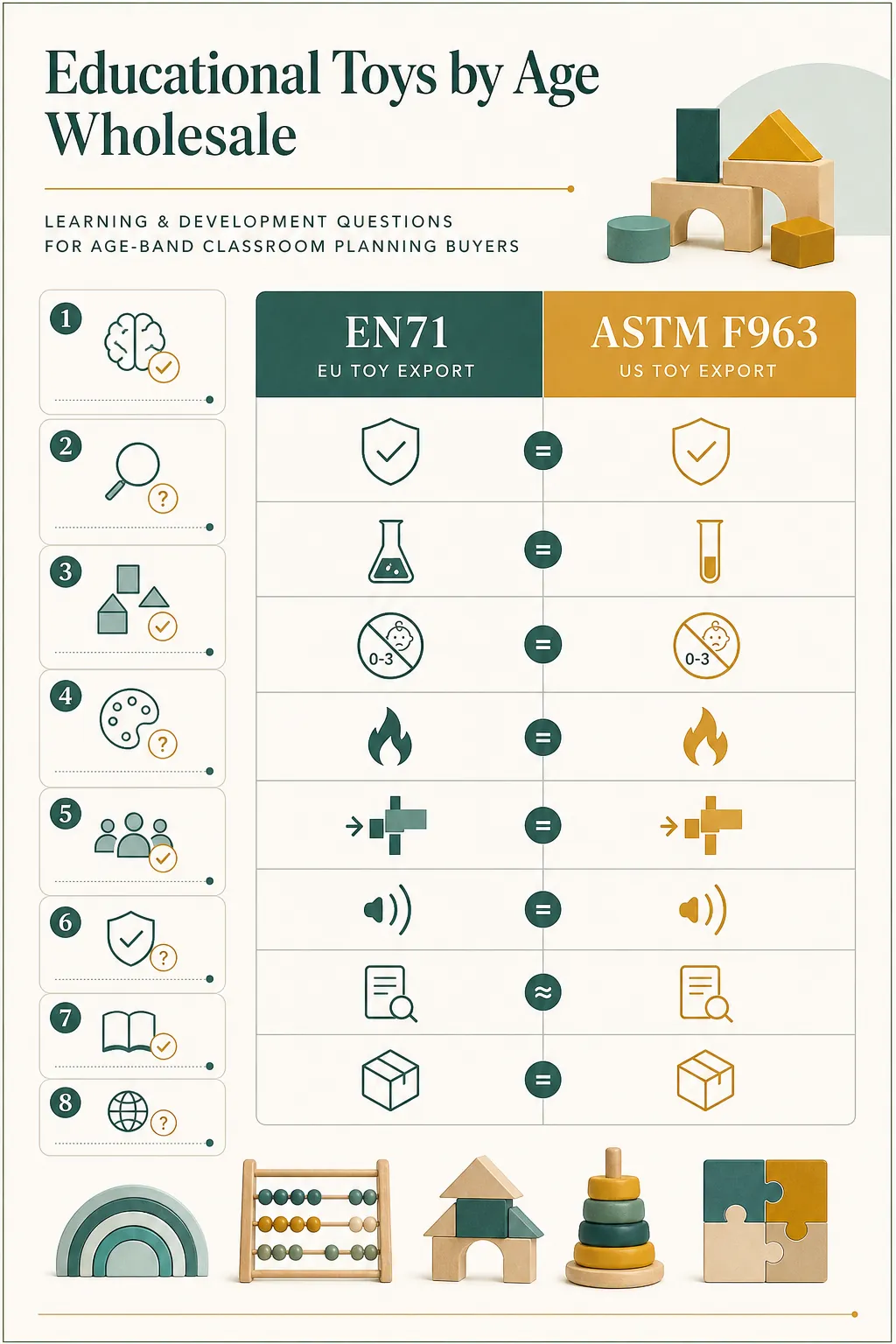
- Certifications like EN71 and ASTM are per-product, not per-factory: verify test reports for the specific SKU you're buying, and never accept a blanket 'we have CE' claim without the document.
What Changed This Year in Classroom Reward Toys Sourcing?
The big shift in 2026 is that classroom buyers — school districts, teacher supply catalogs, after-school programs — are moving from single-SKU orders to assembled reward systems: sticker packs, fidget assortments, mini puzzles, and small active-play items bundled into themed boxes. That change favors suppliers who can handle mixed cartons, private-label packaging, and quick ODM customization, not just one-item mass production.
Importers are also tightening their compliance files. A classroom reward toy that fails an ASTM F963 or EN71 test can be pulled from an entire district catalog, so buyers are asking for per-SKU test reports earlier in the conversation — often before sampling. This pushes the launch timeline because compliance documents take time to produce, especially if you're using an OEM design that has never been tested.
The practical result: if you're planning a fall 2026 school-year launch, the time to start supplier conversations is now. An ODM program with existing designs and completed testing can still make a Q4 delivery; an OEM project almost certainly cannot.
OEM vs. ODM: What's the Real Difference for Classroom Reward Toys?
OEM (Original Equipment Manufacturing) means you provide the complete design — drawings, specs, materials, packaging — and the factory produces exactly that. You own the IP, but you also carry the development risk and the cost of tooling (plastic injection molds, for example, can run into tens of thousands of dollars). The typical timeline is 4–12 months from design finalization to shipped goods, with sampling often requiring 3–5 rounds.
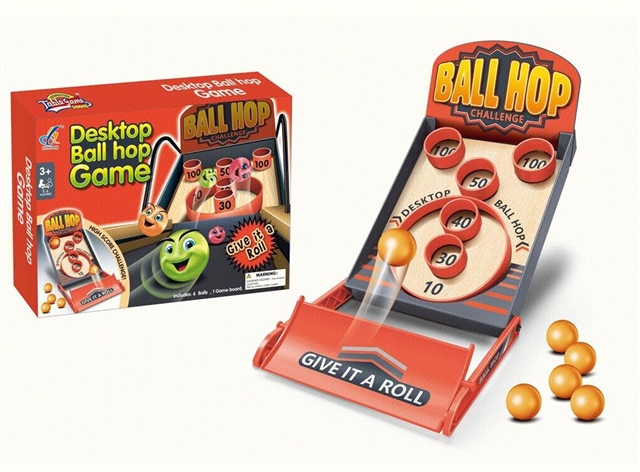
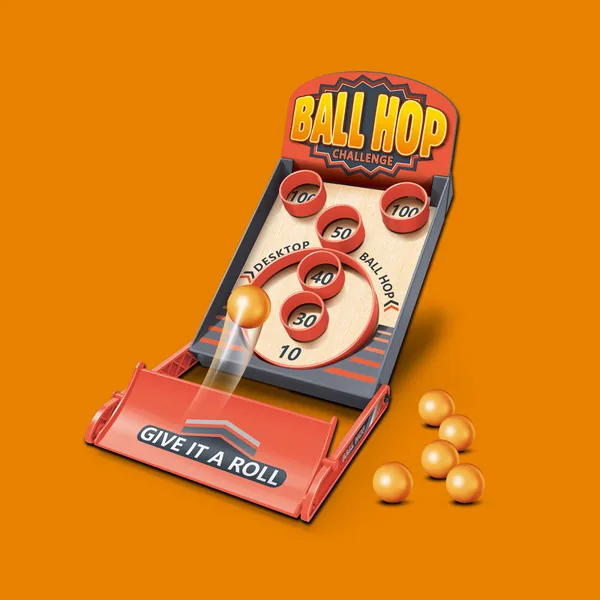
ODM (Original Design Manufacturing) means the factory offers designs they already have — a fidget assortment, a puzzle set, a ball game — and you customize with your branding, colors, and packaging. The factory owns the base design unless you negotiate otherwise, but you get a much faster launch: 1–3 months from sample approval to shipment, and lower MOQs because the tooling already exists.
For classroom reward toys, the decision hinges on one question: does your program need a unique product that no competitor can copy? If yes, OEM is the only path. If you need a reliable, branded reward assortment quickly, ODM is almost always the smarter call — just make sure your contract defines regional exclusivity so another distributor in your market isn't selling the same fidget set under a different label.
What MOQ Should You Expect for Custom Orders?
There is no universal MOQ in the toy industry — it varies by product type, material, and whether tooling is involved. For ODM classroom reward toys (existing designs), you can often start with a mixed carton or a few hundred units per SKU to test the market. Some factories are comfortable with MOQs in the hundreds for simple items like sticker packs or small fidgets.
For OEM projects, expect higher MOQs because the factory needs to amortize tooling and setup costs. A custom plastic toy might require 1,000–5,000 units per SKU, and a custom plush item may start around 1,000 pieces. The exact number depends on the factory's capacity and the complexity of the design — always ask for a quote that breaks down tooling costs, unit price at different quantities, and sample fees.
When comparing suppliers, ask for a price ladder (e.g., 500, 1,000, 5,000 units) and the MOQ for each stage. A factory that quotes a low MOQ but a high per-unit price may not be the best deal for a growing program — you want a partner that scales with you.
Comparing OEM vs. ODM for Classroom Reward Toys
| Design Ownership | OEM: Buyer owns design and IP, provided in the contract. ODM: Factory owns the base design; buyer can negotiate exclusivity. |
|---|---|
| Timeline to Shipment | OEM: 4–12 months from design freeze. ODM: 1–3 months from sample approval. |
| Typical MOQ | OEM: Higher, often 1,000+ units due to tooling costs. ODM: More flexible, sometimes in the hundreds. |
| Sampling Rounds | OEM: 3–5 rounds typical. ODM: 1–2 rounds, since design exists. |
| Upfront Cost | OEM: Tooling costs can reach tens of thousands of dollars. ODM: Lower, no custom tooling. |
| Uniqueness | OEM: High, product is exclusive to you. ODM: Low, other brands may offer similar items. |
| Best For | OEM: A patented mechanism or branded character. ODM: A fast, branded assortment for a school-year launch. |
How to Verify a Chenghai or Shantou Factory Before You Order
Chenghai, in Shantou, Guangdong, is the heart of China's toy industry — thousands of factories and trading companies cluster there, from small workshops to full vertically integrated manufacturers. That density is great for price competition, but it also means you must separate real factories from trading companies that simply broker other people's products.
Start with a simple audit: ask for the factory's business license, a list of their production equipment, and photos or video of the shop floor. A genuine manufacturer will happily share these; a trading company may hesitate or send generic images. Then request a sample of a product they already make — not a sample they promise to create for you. This shows you their actual quality level.
Verify their compliance claims by asking for test reports for the specific SKU you're considering, not a blanket certificate. For classroom reward toys sold in the US, you'll want ASTM F963 and CPSIA documentation; for the EU, EN71. If they can't produce a report for an existing product, that's a red flag — they likely don't test regularly.
Check their MOQ and lead time in writing. A factory that offers a 30-day lead time on a custom item may be overpromising; the industry norm for OEM is 45–60 days after sample approval. Get a production schedule with milestones (sample approval, material procurement, production start, QC, loading) so you can track progress.
What Should Importers Check Before Sourcing Classroom Reward Toys from China?
Beyond the factory audit, the product itself needs a compliance check. Classroom reward toys are typically used by children aged 3–12, so age-appropriate safety is non-negotiable. Check for small parts that could be choking hazards, sharp edges, and toxic materials — a fidget toy that looks harmless could fail a lead or phthalate test if the factory used cheap pigments.
Ask for a certificate of conformity for the exact product you're importing. For the US, that's ASTM F963 (the standard consumer safety specification for toy safety) and CPSIA (which covers lead and phthalates). For the EU, it's EN71, which has multiple parts covering mechanical, flammability, and chemical risks. The test report should come from an accredited lab (like SGS, TÜV, or Bureau Veritas), and it should list the specific model number you're buying.
Consider the packaging as well. Retail-ready classroom reward toys need clear branding, age warnings, and often a choking hazard label. The factory can handle this, but you need to provide the artwork in the right format — usually vector files (AI, EPS, PDF) with outlined fonts, and a bleed area for printing. Ask for a packaging proof before mass production to catch typos or safety label errors early.
How Can Buyers Compare Reliable Suppliers for Classroom Reward Toys?
The best way to compare suppliers is to put them through the same test. Send a request for quotation (RFQ) that includes your target product (or a description of the reward assortment), estimated quantity, destination market, and required certifications. Then evaluate their responses on three axes: price, timeline, and documentation.
Price: Ask for a price ladder at 500, 1,000, and 5,000 units per SKU. A factory that quotes a low price at 5,000 but a high price at 500 may not be flexible for a pilot launch. ODM products usually have tighter price ranges because tooling is already paid for.
Timeline: Request a detailed production schedule — not just '30 days.' A reliable supplier will break it down into sample approval, material procurement, production, inspection, and loading. If they can't provide that, they're not managing their process well.
Documentation: Ask for a sample of their packing list, invoice, and test report format. A professional supplier has these ready. Also ask for references or photos of past shipments to similar markets — a factory that has exported classroom toys to the US or EU will understand the documentation requirements.
Use the comparison table as a checklist. For each supplier, note their MOQ posture, lead time, OEM/ODM capability, and whether they've provided a test report for a similar product. The one that scores highest on documentation and process transparency is usually the right partner — not necessarily the one with the lowest price.
How to Build a Launch Timeline for Classroom Reward Toys
Once you've chosen OEM or ODM, map out your timeline backward from your target in-store date. For a school-year launch in September, you need goods in your warehouse by August. That means shipment should leave China by mid-July, which means production must be complete by early July, which means sample approval must happen by late May, and you need to have selected the supplier by now.
For an ODM program, here's a realistic schedule: supplier selection and NDA (2 weeks), sample approval (1–2 weeks), packaging design and proof (2–3 weeks), production (3–4 weeks), QC inspection (1 week), shipping (4–6 weeks by sea to the US West Coast, 6–8 weeks to the East Coast). Total: about 3–4 months from kickoff to delivery.
For an OEM program, add 4–8 weeks for design finalization, tooling (if needed), and multiple sample rounds. That pushes the total to 5–8 months, so a September launch would require starting at least 6 months in advance. If you're aiming for a holiday or back-to-school window, the decision to go OEM or ODM is effectively a decision about whether you can hit the season.
Compliance testing is another factor. If your reward toy includes electronics (e.g., a light-up fidget), it may require additional testing (like FCC for the US), which can add 2–4 weeks. Plan for this in your timeline, and ask the factory if they can coordinate testing or if you need to handle it with a third-party lab.
FAQ: Classroom Reward Toys OEM and ODM Questions
What is the typical MOQ for ODM classroom reward toys?
ODM MOQs are more flexible than OEM, often starting in the hundreds of units per SKU, depending on the product. Simple items like sticker packs or small fidgets may have lower MOQs, while complex plastic toys may require 1,000+. Always ask for a price ladder to see how MOQ affects unit price.
How long does it take to get classroom reward toys from a Chinese supplier?
For ODM, expect 1–3 months from sample approval to shipment. For OEM, 4–12 months is typical, depending on design complexity and tooling. Add 4–8 weeks for sea freight to reach the US or EU. Plan your launch timeline backward from your target in-store date.
Can I get custom packaging and branding for classroom reward toys?
Yes, most Chenghai suppliers offer OEM packaging and branding. You'll need to provide artwork in vector formats (AI, EPS, PDF) with bleed and outlined fonts. The factory can handle print production, but you must review a proof before mass production to ensure safety labels and age warnings are correct.
What certifications do I need for classroom reward toys sold in the US?
For the US, your products should meet ASTM F963 and CPSIA (lead and phthalates). For the EU, EN71 is required. Always ask for a test report for the specific SKU you're buying, not a blanket certificate. The report should come from an accredited lab and list the model number.
How can I check if a Chenghai factory is legitimate?
Ask for the business license, production equipment list, and shop floor photos or video. Request a sample of an existing product, not a promise of a future sample. Verify their test reports for a similar product and ask for references or past shipment photos. A real manufacturer will share these readily.
What's the difference between OEM and ODM in terms of IP ownership?
In OEM, you own the design and IP, provided the contract states it. In ODM, the factory owns the base design, so you must negotiate regional exclusivity to prevent competitors from selling the same item. Always put IP terms in writing, including mold ownership for OEM.
Sources
Related Products & Categories
Request a Quote for Your Classroom Reward Toys Program
Ready to move your classroom reward toys program forward? Whether you're exploring ODM options to hit a fast launch window or need a partner for a custom OEM project, a factory audit and quote can save you weeks of guesswork. Contact us to discuss your target timeline, MOQ needs, and compliance requirements — we'll help you evaluate if we're the right fit, or point you to the questions you should ask any supplier.